



Mobile Game Art
Sprite atlases optimized for texture memory. UI elements tested at 375-point width. Art direction that reads at a glance because the player does not have a manual.
We are a dedicated 2D game art development studio working across mobile, PC, and VR projects for indie developers, mid-size studios, and enterprise publishers. Custom 2D game art from concept through final deliverable, by a team that understands what game engines actually do with the files they receive.
Bad 2D game art outsourcing creates debt. Not the financial kind, the kind where your tech team spends three sprints fixing UV mismatches, inconsistent sprite anchor points, and style drift that appeared somewhere between asset 40 and asset 41 and nobody noticed until the build broke. Studios come to Cobweb Games because they are tired of paying twice: once for the art and once for the fixes. Our 2D game art services are built around production pipelines, not just production output. Every asset is properly named, correctly sized, export-ready for your target engine, and consistent with the style guide the project started with. Every 2D game art service we provide is production-pipeline aware. The assets are built for the build, not just the preview render.

Concept art that is useful downstream. Character sheets with front, side, and three-quarter views. Environment mood boards with lighting callouts. Prop references with proportional accuracy. The downstream team does not have to interpret the concept. It gives them everything they need to build from it.

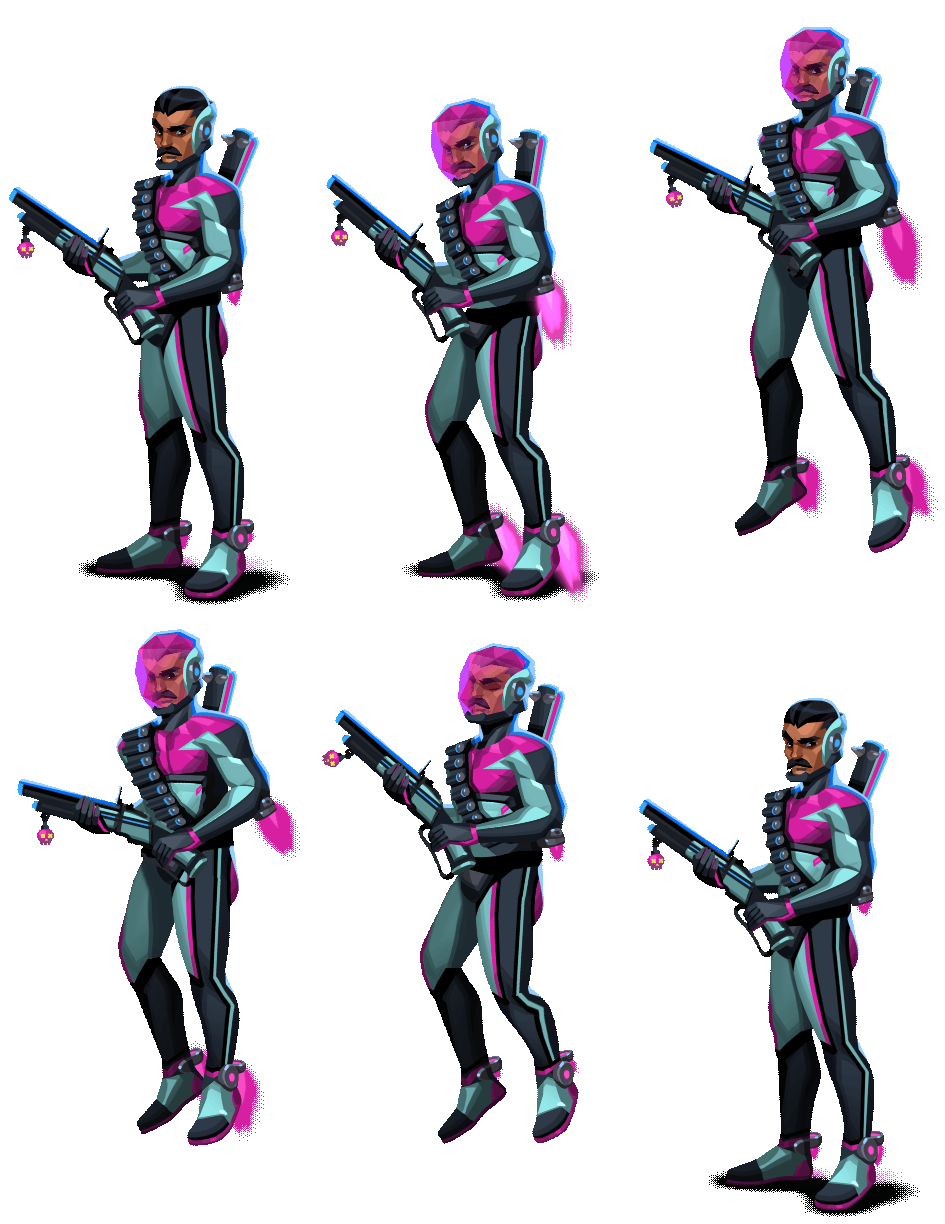
Game character design built for the animation rig it will run on. Expression sheets. Costume variation references. Joint-friendly design decisions that mean the 2D character art does not fight the animator at the rigging stage. Stylized, realistic, and everything between.

Background art with correct parallax layer separation. Tileable terrain assets that actually tile. Level art that gives the player the visual cues they need to navigate. Built for Unity and Unreal Engine integration from the first file.

Props, items, collectibles, hazards, interactive objects. Our game asset creation process handles naming conventions, consistent scale, and correct pivot placement from the start. Not as an afterthought in the delivery package.

Game UI art design that communicates at a glance under the cognitive load of active gameplay. Icon sets with consistent visual language. Inventory item design with a clear read hierarchy. HUD elements that are visible at 40% screen brightness on a phone in direct sunlight. If that last one has never occurred to you, your UI artist has not shipped mobile.

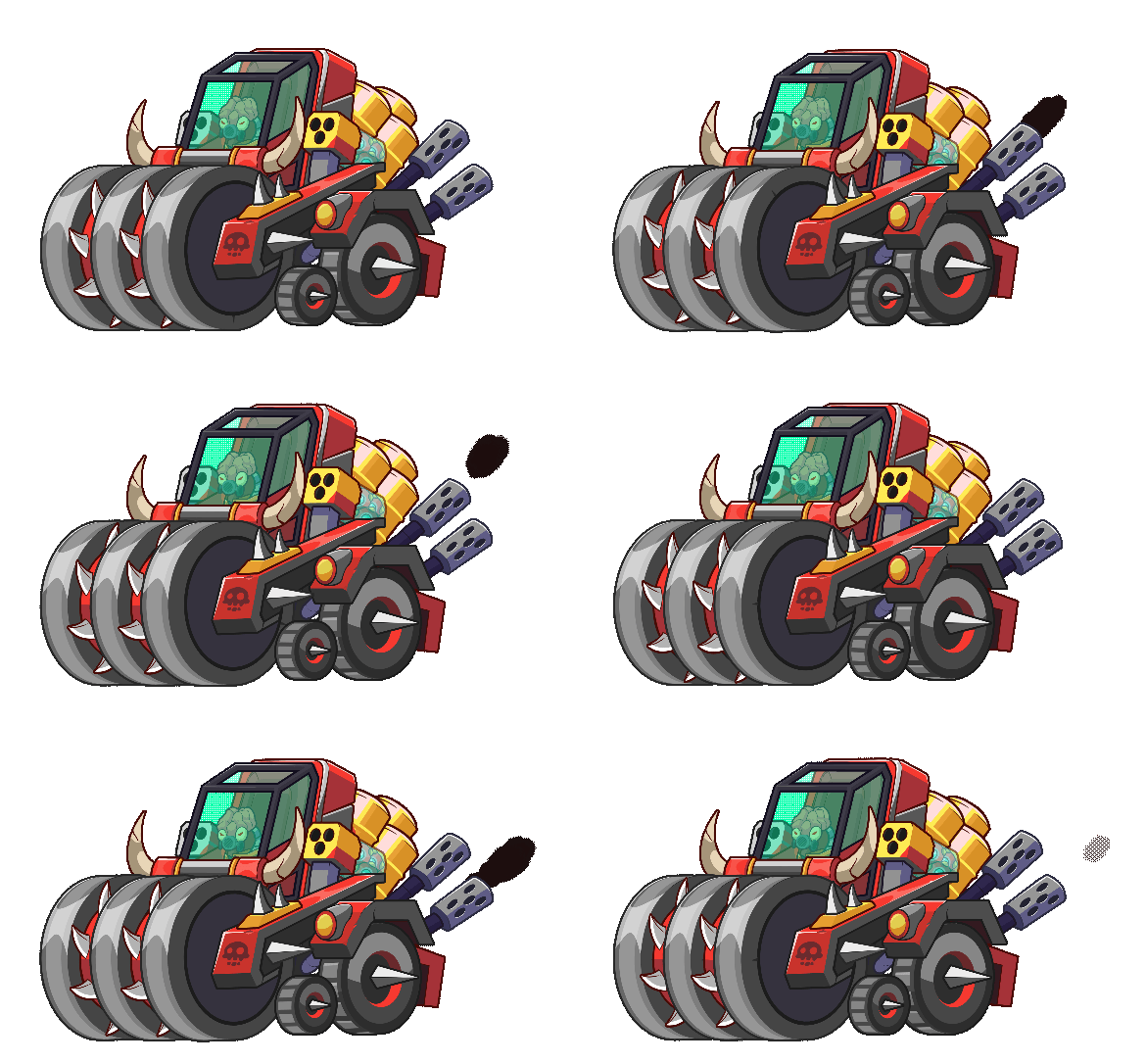
Frame-by-frame animation built to the frame count and sprite sheet specifications your engine requires. Walk cycles, run cycles, idle animations, attack animations, and the transition frames that determine whether motion feels fluid or mechanical. Sprite sheets delivered with correct atlas packing and margin settings.
Most games that fail do not fail because the idea was bad. They fail because the production did not have the right team or the right partner. The idea is the starting point. The production is where it becomes a game.

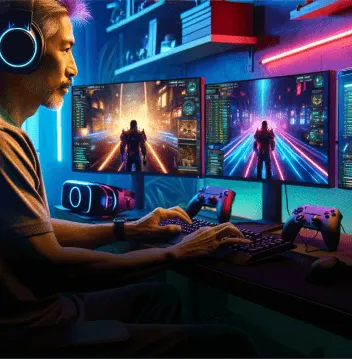
Sprite atlases optimized for texture memory. UI elements tested at 375-point width. Art direction that reads at a glance because the player does not have a manual.
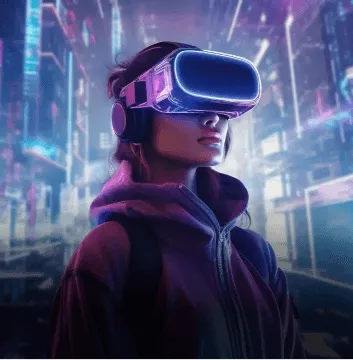
Higher texture resolution budgets, more complex parallax layers, and art direction that rewards the player who looks closely. We scale asset specification to the actual hardware the player runs.

2D art for VR needs different spatial thinking than flat-screen art. UI elements readable at fixed world-space distance. Sprite art that holds up at the stereoscopic viewing distance the headset creates.
The art director leads creative direction across all Cobweb Games art projects. Style guides, visual consistency, and the final call on whether an asset meets the brief. If the art is going out with Cobweb's name on it, Ali has seen it.
Visual development from brief to approved style frame. Character exploration, environment boards, and prop references that the production team can build from directly.
2D character design and character art. Joint-aware design, expression sheets, and animation-ready deliverables.
Background art, tilesets, and level art. Gameplay-aware visual design that serves the player experience as well as the art direction.
Pipeline integration, atlas packing, engine import testing, and the layer that makes the artwork in the build.

Our team had been through two offshore 2D art studios before Cobweb. Both delivered assets that looked fine in isolation and created problems the moment they hit the engine. Wrong anchor points, atlas bleeding, and naming that clashed with our conventions. Cobweb was the first studio that asked about our pipeline before the art brief. Assets integrated cleanly on the first import.

We needed 200-character animation sprite sheets in six weeks for a mobile launch. Cobweb delivered on time, to spec. QA found zero integration issues across the full delivery. For that volume, that is not the expected outcome. It is what a studio that understands production pipelines rather than just art production looks like.

Single 2D character with front and side views plus expression sheet: $300 to $800. Animation sprite sheet packages: $500 to $2,000. Environment tileset and background: $800 to $3,000 per scene. Itemized quotes within 48 hours of a project brief.




 Design Rush
 Clutch