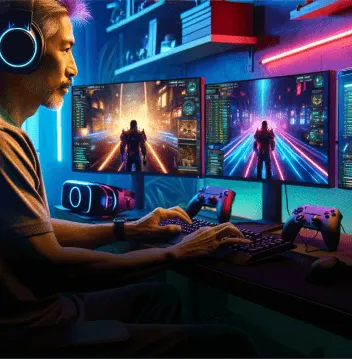

PC Game
Steam, Epic Games Store, and proprietary distribution. Scalable graphics settings for the hardware range that PC players actually run.
See how our personalized and careful approach molds bold concepts into games people love.
Our process begins with an in-depth initial consultation to understand your vision and project requirements. We discuss your game concept, target audience, platform preferences, and desired art style. Our team collaborates with you during this phase to brainstorm ideas and refine the concept.
We also conduct market research to ensure your game idea is unique and viable. This stage culminates in a comprehensive project proposal outlining the scope, timeline, and budget.
In the pre-production phase, we lay the groundwork for your game by creating detailed design documents and project plans. Our team develops storyboards, concept art, and initial prototypes to visualize the game's look and feel. We establish a solid technical foundation by selecting appropriate tools, technologies, and platforms.
Milestones and deliverables are defined to ensure the project stays on track. We also assemble a dedicated team of developers, artists, and designers tailored to your project's needs.
The production phase is where our team of skilled developers, artists, and animators work collaboratively to build the game according to the design documents. We focus on creating high-quality assets, coding the game mechanics, and integrating features. Regular playtesting and feedback sessions are conducted to identify and address issues early on.
This iterative process ensures that the game is polished and meets your expectations. Throughout production, we maintain transparent communication and provide regular updates on progress.
Quality assurance is a critical phase where we rigorously test the game to ensure it is bug-free and runs smoothly. Our QA team performs various types of testing, including functionality, performance, and compatibility tests across different devices and platforms. We gather feedback from beta testers to gain insights into player experiences and make necessary adjustments.
Any identified issues are promptly addressed by our development team. This phase helps us refine the game to provide an optimal player experience.
The final phase involves preparing for the game's launch and providing post-launch support. We develop a marketing strategy to promote the game and ensure a successful release. Our team handles the deployment process, making the game available on various platforms as planned. Post-launch, we monitor the game's performance and gather player feedback to identify areas for improvement.
We offer ongoing support and updates to keep the game engaging and address any emerging issues. This commitment ensures your game remains successful and captivates players long after release.

Choosing Cobweb Games means partnering with a dedicated team that excels in transforming your vision into engaging, high-quality games.
With years of experience in the gaming industry, our team brings unparalleled expertise to every project. We have a proven track record of delivering successful games across various platforms.
Our artists and designers are renowned for their creativity and attention to detail. We craft visually stunning and immersive gaming experiences that captivate players.
We prioritize our client's needs and maintain transparent communication throughout development. Our focus on building long-term relationships ensures your project receives personalized attention and support.
From concept to launch, we offer a full suite of game development services. Our holistic approach ensures a seamless and cohesive development process tailored to your requirements.
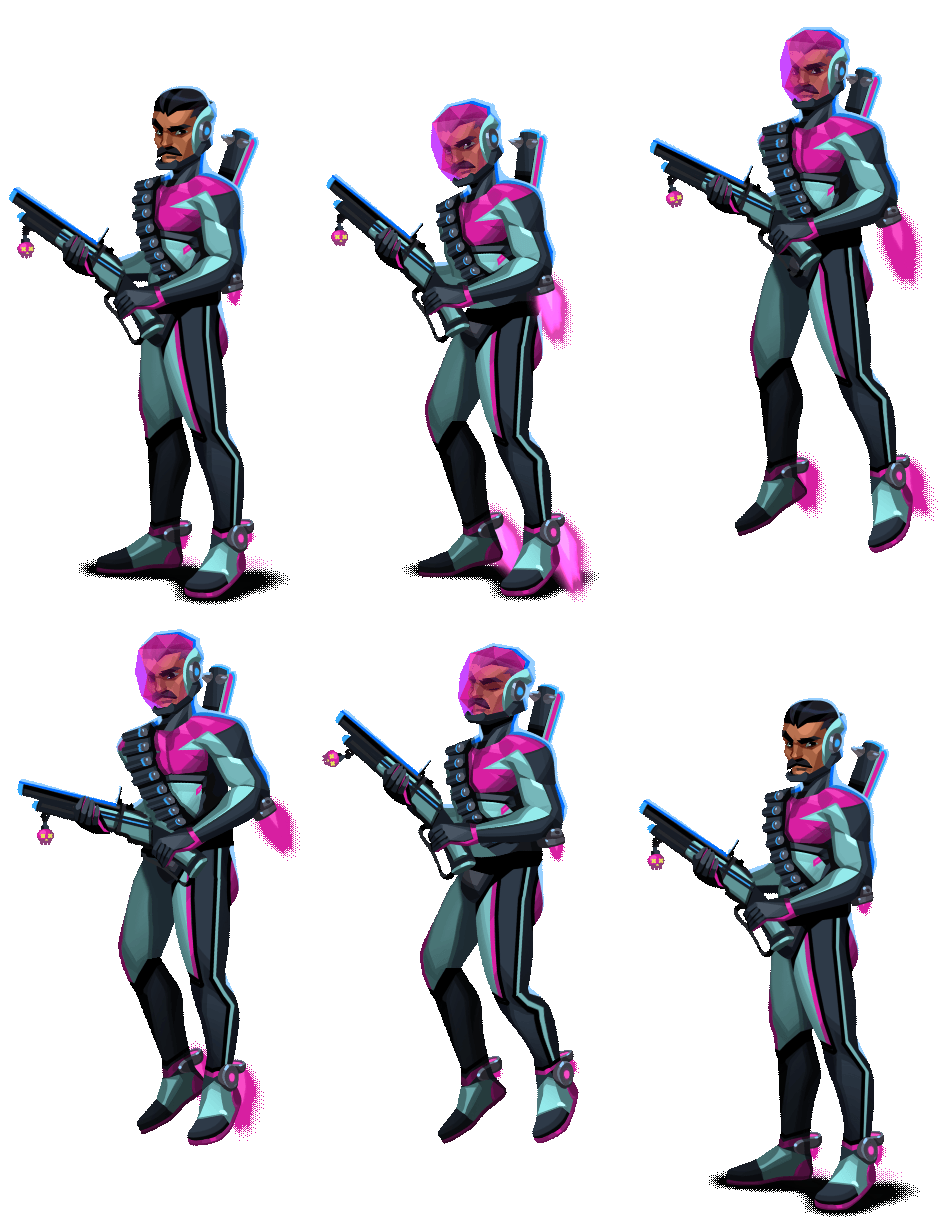

Our Game designers oversee all design aspects, from mechanical systems and rules to interactive levels and worlds. Their job is to ensure the cohesive design vision is realized across a game and facilitate discussions between departments.
They translate ideas into captivating gameplay designs that balance challenge, progression, and fun.
Our 3D Artists generate the immersive, photorealistic digital worlds built within games. Textures, rigging, lighting, and animations are added to truly bring these virtual assets to life.
3D Artists must collaborate closely with other roles to capture the aesthetic style set out by concept art.
Our concept Artists imagine numerous ideas and options early on through sketches and paintings. They guide the overall artistic direction by establishing a visual language to communicate ideas before 3D production begins.
Concept Artists channel their creativity and descriptive skills to convey the intended atmosphere effectively.
Our programmers implement the technical infrastructure and code that combines the various designs, assets, and systems into an interactive experience.
They work closely with designers to realize technical specifications and ensure cohesive integration. Their code serves as the foundation that binds all elements.
Our UI/UX designers create intuitive user interfaces that allow players to navigate through menus, heads-up displays, and other screen elements effortlessly.
They carefully consider the player experience and usability when designing how systems will be displayed and interacted with. Graphic implementation is then led into the game under their direction.
Our Audio designers are responsible for creating intricate soundscapes that bring games to life.
They aim to establish an audio identity as cohesive as the visual style to fully immerse players. Varied music sets the right mood and tones, while realistic sound effects provide authentic feedback.


Steam, Epic Games Store, and proprietary distribution. Scalable graphics settings for the hardware range that PC players actually run.
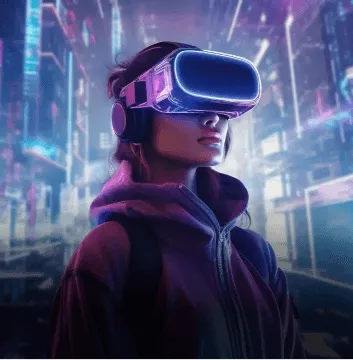
Oculus Quest, HTC Vive, Valve Index, and PS VR. The frame budget is sacred.
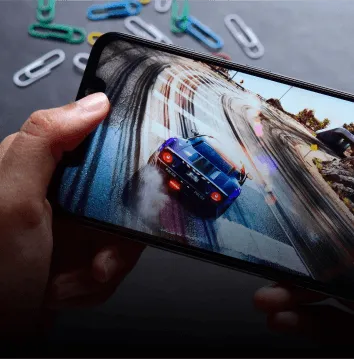
iOS and Android. Performance-calibrated for the mid-range device the median player actually owns.
Cobweb was the first studio that asked about our pipeline before they asked about the brief. Every asset they delivered integrated cleanly on the first import. That had not happened before on an outsourced production.
The environment art they delivered had zero performance issues in the build, and the visual quality matched the concept art exactly. No notes from the art director on the first submission. For an external team working from a reference they had not produced, that is not the typical outcome.
From early prototyping through worldwide launch, Cobweb Game drove our indie game from idea to finished product. Their development expertise and detailed feedback helped refine our game design at every stage. Moreover, their professional project management and programming allowed us to realize our vision on an expedited timeline and budget. We could not be happier with the development services or the successful final product.
Cobweb Games has been an absolute pleasure to work with! Their creativity and attention to detail are unmatched. The team was highly responsive to our feedback and delivered a game that exceeded our expectations. We can't wait to collaborate on our next project.
Simple casual mobile game: $25,000 to $80,000. Mid-tier mobile title with custom characters and IAP systems: $80,000 to $250,000. Feature-complete with multiplayer and AAA art: $500,000 plus. Scope drives the number.
Simple mobile game: three to six months. Mid-tier mobile or PC: eight to eighteen months. VR or significant IP development: twelve to thirty-six months. The timeline is determined by the scope and content volume.
A discovery session that converts the idea into a production brief: what the game is, who it is for, which platform it targets, and what the core loop is. From the brief comes a scope estimate and a milestone plan.
Mobile (iOS and Android), PC, VR (Oculus, HTC Vive, PS VR), browser, and web3 platforms. Platform selection is confirmed in discovery based on audience and scope.
Yes. Both under one roof. Studios can engage for art only, development only, or both. One point of contact and one pipeline regardless of scope.
Unity and Unreal Engine primarily. Godot for specific project types. We recommend the engine that fits the project, not the one we are most comfortable in.
Yes. Multiplayer architecture, online infrastructure, matchmaking, and live ops back-end. Networking architecture is a week-one design decision, not a week-twenty addition.
As involved as the project requires. Milestone-based reviews with documented feedback. Creative decisions that affect game direction require client sign-off. Technical decisions within the established brief we handle independently.
Game concept, target platform, core feature list, reference games, target audience, and timeline requirements. The more complete the brief, the more accurate the estimate.
Yes, after a technical audit of the existing codebase and art pipeline. We provide an honest assessment of what exists and what it takes to ship before agreeing to the scope.
Yes. Post-launch support, live ops content updates, bug fixes, and platform recertification are available as a continuing engagement. Structure it before launch, not after.
Ask to see shipped games, not work in progress. Ask how they handle scope changes. Ask who your project manager will be and whether they have experience in your category. A studio that answers these specifically is ready to produce your game.
The discovery session answers this. If the concept is not feasible at the stated budget, we say so and propose what is achievable. A project that fails mid-production because feasibility was assumed is expensive for everyone.
NDAs are signed before any project information is shared. Full IP ownership of all assets and code produced transfers to the client on final payment. We retain no rights to reference or use client work.
The launch is the start of the live phase. Player feedback arrives, platform requirements change, and content updates retain the audience. We offer structured post-launch support and ongoing development retainers.