



2D Game Development
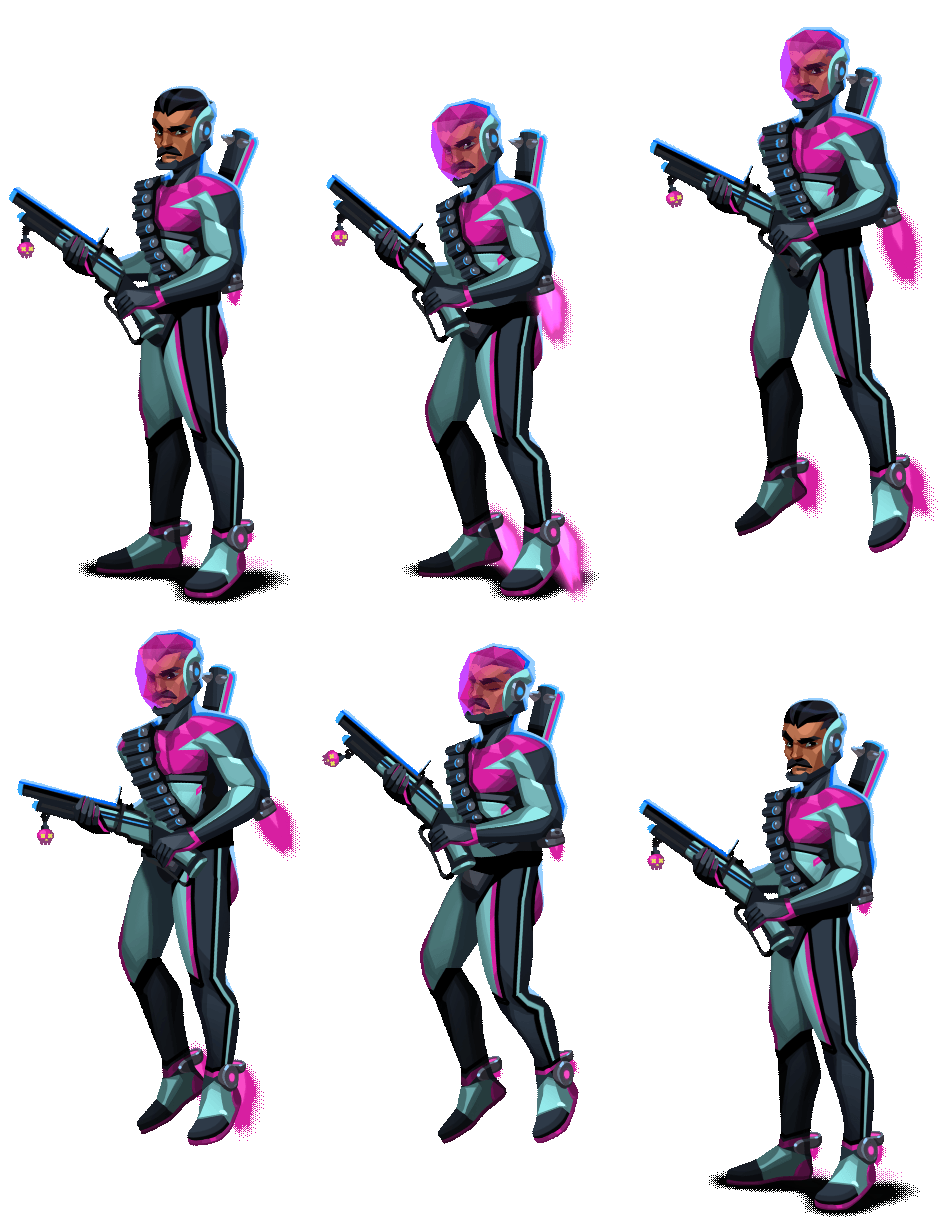
Get sprite-based games for mobile, PC, and browser, with animation timing and physics tuned to feel right from the very first jump or swing, so no shaky mechanic gets a place to hide.
You have a game worth building. Cobweb Games is considered to be the best game development company in the USA that builds it, ships it, and keeps supporting it after launch. Our game development services cover mobile, PC, VR, and web, for founders, AA studios, and gaming brands who need a production partner ready to move now, not another quote to file away.

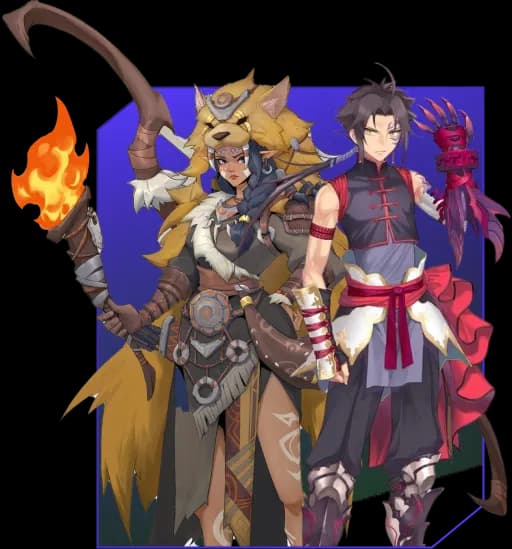

Working with Cobweb Games puts one production team on your project, handling design, art, engineering, and QA under a single brief and a single deadline. Your prototype, your art pipeline, and your test builds move through that same team on the same milestone schedule, so nothing gets lost in a handoff between people who have never spoken to each other.
We work with indie developers shipping their first commercial title, AA studios juggling several builds at once, and gaming brands that need a full-cycle game development company able to plug straight into their existing workflow. As a video game development company and game development studio, we cover end-to-end game development services in USA from your first prototype through your store submission, with nothing handed off to a third party along the way.

Your mobile game needs to run great on the phone most players actually carry, not just the flagship sitting on a developer's desk. We build mobile games to provide monetization, app store submission, and post-launch support into the project from day one, so your game is actually finished when it hits the store, not just when the code compiles.
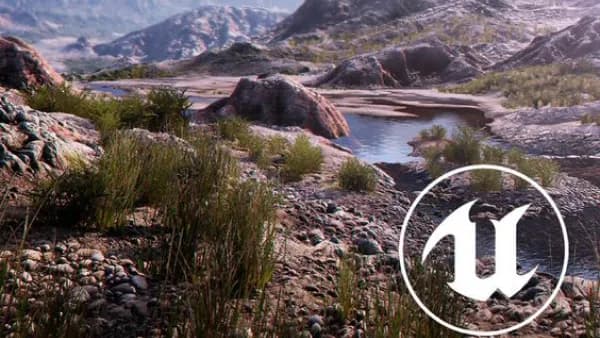
Your 3D game gets modeled, rigged, and engine-integrated inside one pipeline, so the art never blows past the frame budget your engineers have to hit. What you see in review is what ships, running the way it was designed to run on the hardware your players actually own.
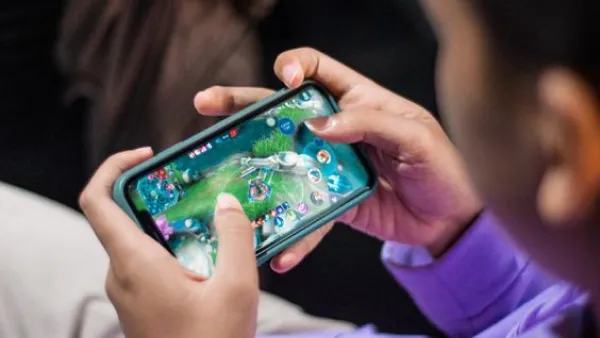
We build your play-to-earn game the way we build any other title, starting with a loop players actually want to return to, then layering in smart contract integration and token design. A P2E economy only works once there is a real game underneath it, and that is exactly the order we build in.

If you want AI in your game, we build NPC behavior, procedural content generation, and adaptive difficulty that change how your game actually plays, not a feature that just pads out a pitch deck. Every AI system we add has to make the game better to play, or it does not go in.

We build in Unity across 2D, 3D, AR, VR, and mobile, using the engine's full feature set on your project instead of a stock template. Our certified Unity developers know where the engine moves fast on its own and where it needs real discipline to keep performing at scale.
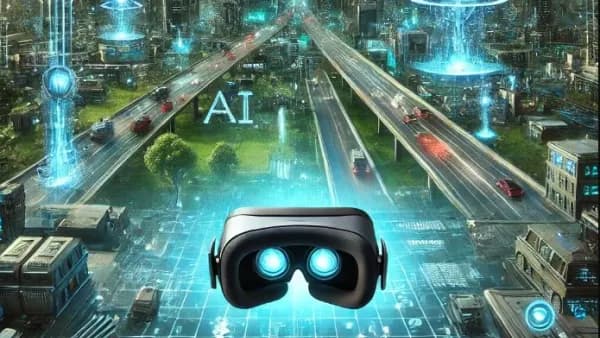
When your project needs Lumen, Nanite, or true console-grade fidelity, we build it in Unreal Engine with developers who have shipped inside it under deadline pressure, not developers who just explored it in a tutorial.
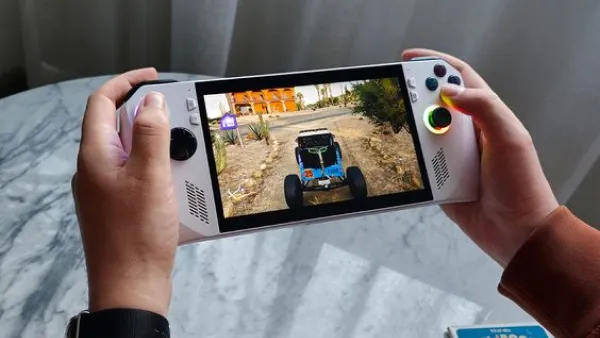
Our comprehensive game testing services ensure your game is polished and ready for market. We conduct rigorous testing across multiple devices and platforms to identify and resolve issues, delivering a smooth and enjoyable player experience.
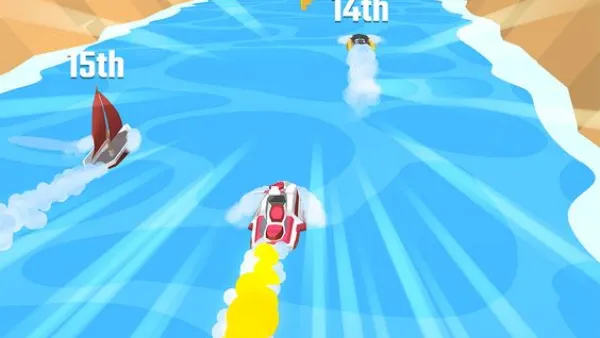
We work closely with you to develop playable prototypes that capture the essence of your game idea. Our iterative process allows for rapid feedback and adjustments, ensuring your final product meets and exceeds expectations.

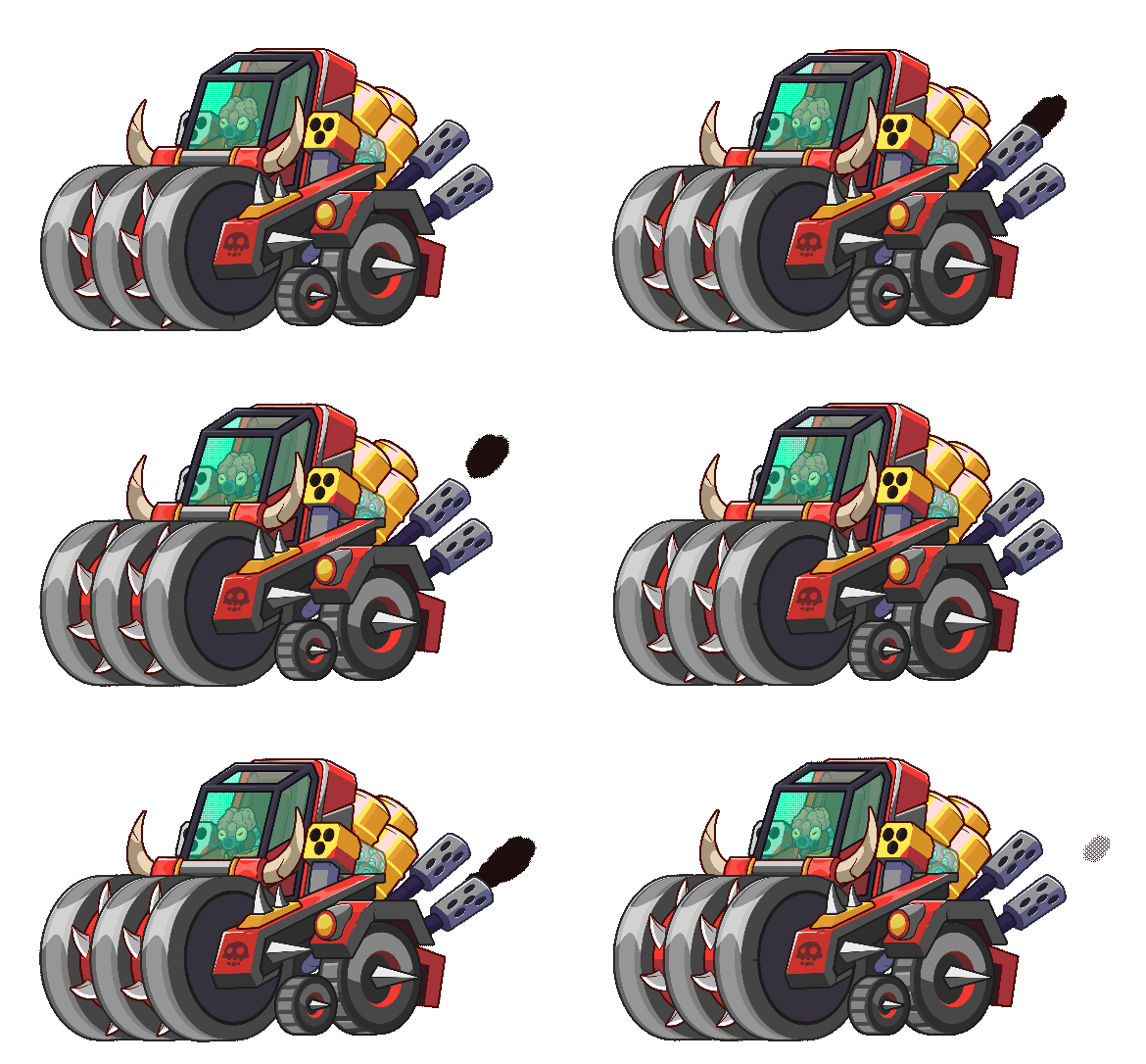
Tell us your game, your platform, and your deadline, and we will tell you exactly what it takes to ship it, whether you need a game developer to fill one gap on your roster or want to hire remote game developers for the entire build.
Get sprite-based games for mobile, PC, and browser, with animation timing and physics tuned to feel right from the very first jump or swing, so no shaky mechanic gets a place to hide.
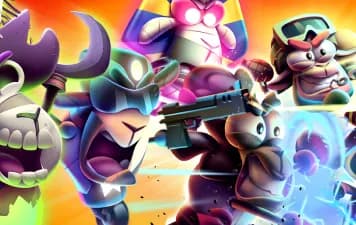
Get three-dimensional worlds built with LOD chains and draw call budgets that hold up on the hardware your players actually own, not just the development kit in the studio.
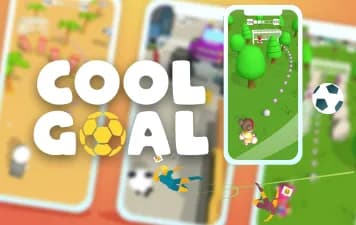
Get one codebase shipped across iOS, Android, and PC, maintained as a single build instead of three separate games slowly drifting apart from each other.
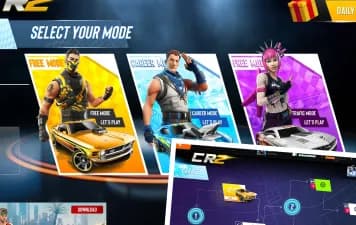
Get immersive titles for Quest, Vive, and PS VR, designed around the frame budget that real comfort in virtual reality demands, since a dropped frame in VR gets felt in the body, not just noticed on screen.

Get on-chain ownership and NFT integration built into a game designed to be played first, with trading built in as an extension of that experience, not the entire point of it.
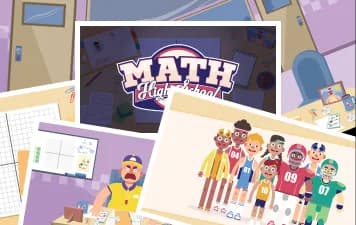
Get browser games that load in seconds and play the moment a link is clicked, with no install and no app store gatekeeper standing between your player and the game itself.

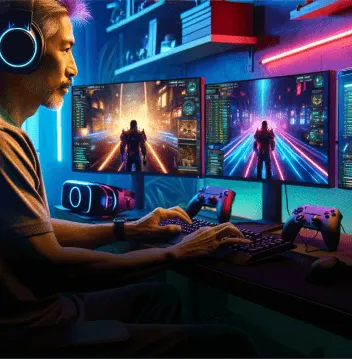
Steam, Epic, and proprietary distribution, with graphics settings scaled across the wide range of hardware PC players are actually running.
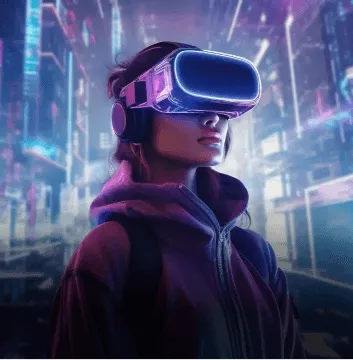
Quest, Vive, Valve Index, and PS VR, where the frame budget stays non-negotiable from the very first prototype through to final ship.
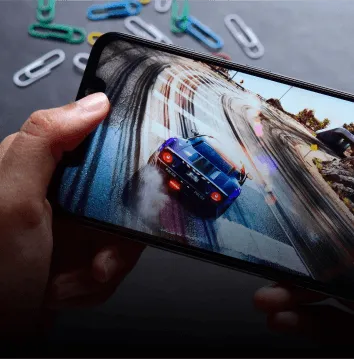
iOS and Android, performance-calibrated for the mid-range device that the median player is most likely holding.


Cobweb was the first studio that asked about our pipeline before they asked about the brief. Every asset they delivered integrated cleanly on the first import. That had not happened before on an outsourced production.

The environment art they delivered had zero performance issues in the build, and the visual quality matched the concept art exactly. No notes from the art director on the first submission. For an external team working from a reference they had not produced, that is not the typical outcome.
From early prototyping through worldwide launch, Cobweb Game drove our indie game from idea to finished product. Their development expertise and detailed feedback helped refine our game design at every stage. Moreover, their professional project management and programming allowed us to realize our vision on an expedited timeline and budget. We could not be happier with the development services or the successful final product.

Cobweb Games has been an absolute pleasure to work with! Their creativity and attention to detail are unmatched. The team was highly responsive to our feedback and delivered a game that exceeded our expectations. We can't wait to collaborate on our next project.
Simple 2D or casual games typically run $25,000 to $80,000. Mid-tier titles with custom systems land between $80,000 and $250,000. Feature-complete multiplayer or AAA-grade productions start around $500,000, with scope deciding the final number during discovery.




 Design Rush
 Clutch