



RPG Character Design
Role-playing game character design with the narrative depth, class visual language, and customization system compatibility that RPG character design requires.
A game character succeeds or fails in two places: in the concept art review that decides whether the design goes into production, and in the player's emotional response to the character twelve hours into the campaign. Most character design processes optimize for the first of those and discover the second one too late. The silhouette that reads beautifully in a pitch document belongs to a character whose personality nobody briefed. At Cobweb Games, character design starts with who the character is before it starts with what the character looks like. The brief covers personality, role in the game's world, relationship to the player, and the animation requirements the design needs to support. The visual direction follows from those answers. We provide character design services across 2D and 3D, from initial concept sketches through production-ready delivery packages. Indie games. AA productions. Mobile casual. Narrative RPGs. The design process is calibrated to the game, not applied uniformly regardless of what the character needs to do.
Character design at every stage of the production pipeline.

Character design for games is built from a brief that covers personality, role, and animation requirements before the first sketch. The visual follows from the character's function, not the art director's aesthetic preference.

2D character design with expression sheets, joint-aware proportions, and the animation readiness that 2D character art requires from the concept stage.
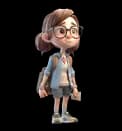
3D character design with topology informed by the animation rig. Edge loops where the rig needs them. Surface detail calibrated to the rendering context.

Concept art that locks the visual direction before the production investment is committed. Front view, side view, three-quarter view, and the design documentation the downstream team needs to build from.

The character the player spends the most time with. The design, the personality, and the visual read that needs to hold up across every context the game places the character in.

Supporting cast design that serves the narrative and the world without competing with the hero. Role clarity through visual design rather than UI indicators.
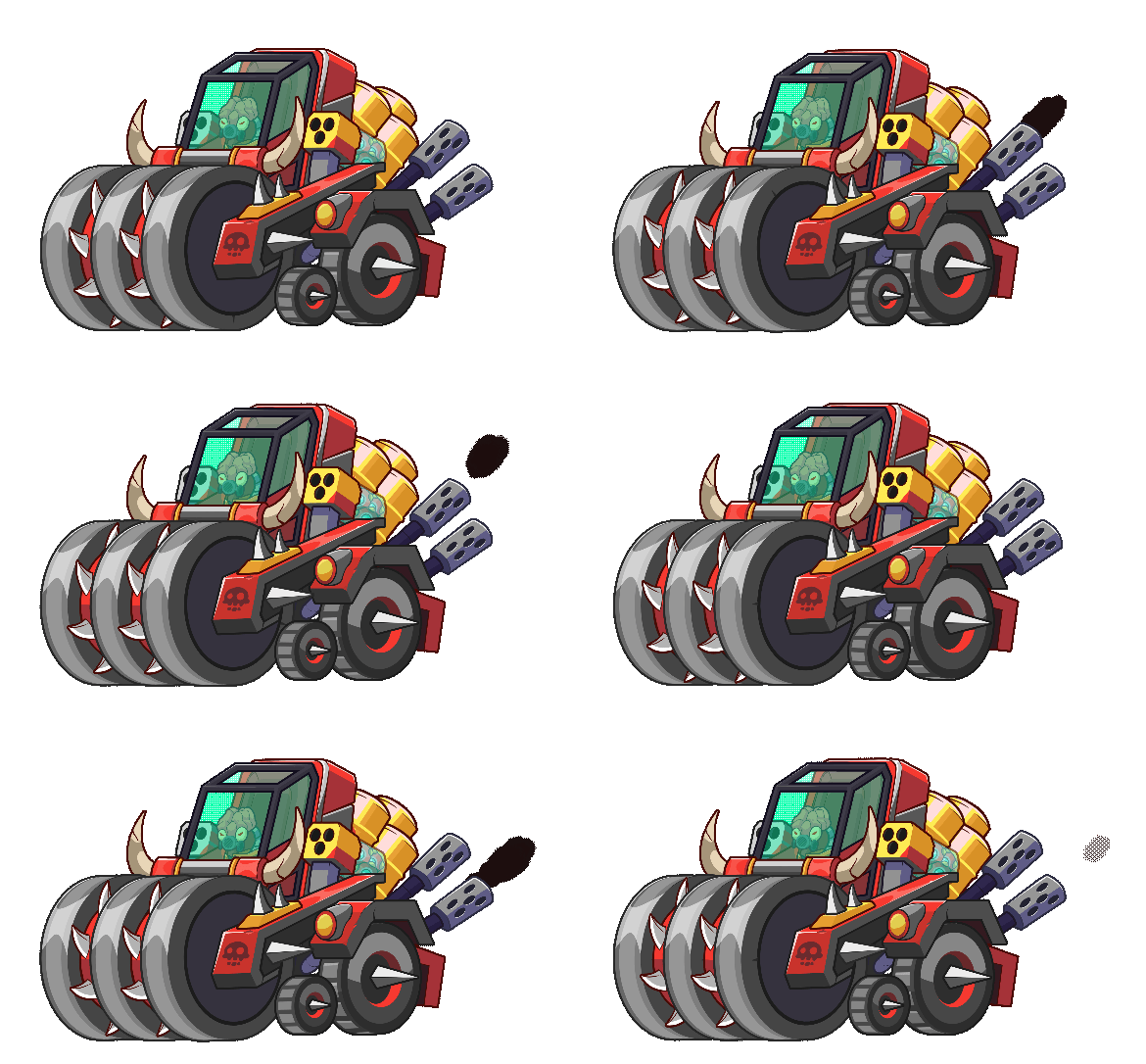
Creature design with biological or mechanical internal logic. The design communicates what the creature is and what it does before the player encounters it in combat.
Brand character design with the personality range, expression flexibility, and cross-format versatility that a marketing mascot requires across video, digital, and print.
Front, side, three-quarter, and back views with the dimensional accuracy and proportion consistency that 3D modelers and animators need to build from the design without reinterpreting it.
Emotional range documentation and key pose references that establish the character's personality vocabulary for animators and writers working with the character across the production.
Complete character documentation packages: turnarounds, expressions, costume variations, prop references, and the design notes that prevent the character from becoming something different in the hands of every team member who touches it.
Character design adapted for isometric games with the projection-specific proportion and silhouette decisions the format requires.

Tell us who the character is, what they do in the game, and what the player should feel about them. The visual brief comes after. Brief us on the character type, the game genre, the visual style, and the production timeline. Itemized quote within 48 hours. Characters that players remember start with a brief that asks the right questions. We know which questions those are.

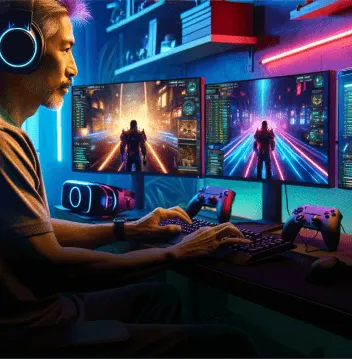
Role-playing game character design with the narrative depth, class visual language, and customization system compatibility that RPG character design requires.
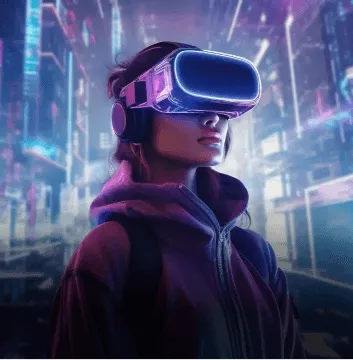
Fantasy character design with the visual grammar of the genre applied to a specific world rather than borrowed from an existing property.
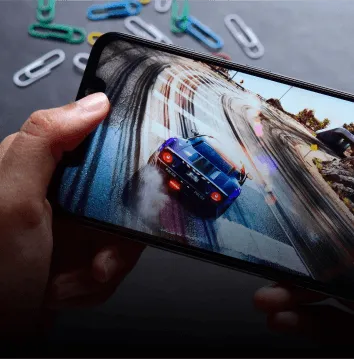
Science fiction character design where the technology, the materials, and the social structure of the world are visible in the character's design.
Mobile character design with the readability, simplified surface detail, and strong silhouette that small screen sizes and casual play contexts require.
Stylized character design for casual and mid-core games where the visual register is intentionally non-realistic and the design language is distinctive.
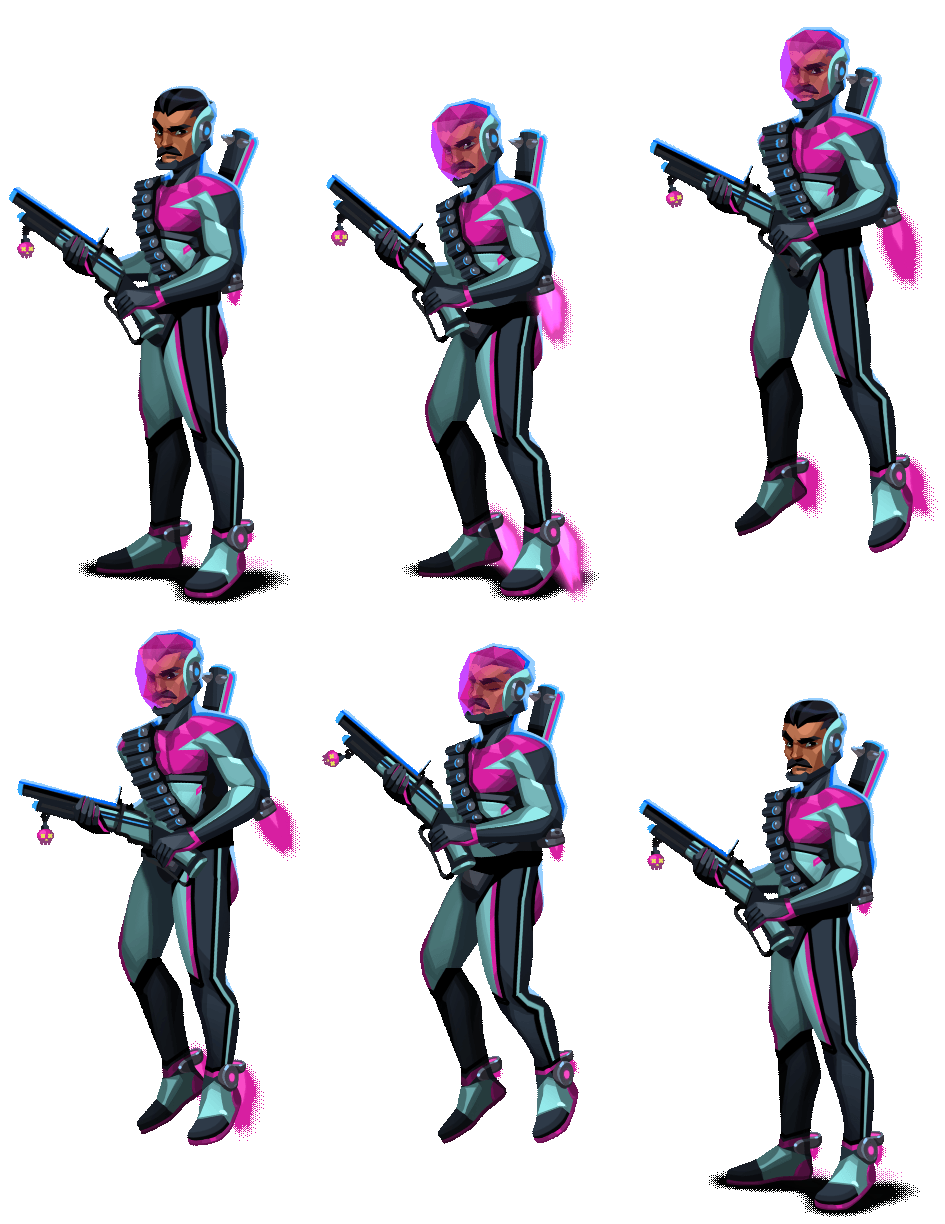
Ideation, exploration, and concept direction specialists.
Production-ready character design and documentation.
3D character modeling, rigging prep, and texturing.
Non-human character design with biological and mechanical expertise.
Visual direction and quality standard across all character work.
Turnarounds, expression sheets, and final documentation package production.
Our Technology Expertise in 3D Character Modeling.


We needed a full cast of characters for a narrative RPG. Twelve unique designs across heroes, allies, and antagonists. Cobweb briefed every character on personality and role before picking up a pencil. The designs came back with the kind of visual distinctiveness that made every character immediately recognizable in gameplay. Our players named them before we did.

We brought Cobweb in for a creature design library for a horror mobile game. The brief was unusual. The creatures needed to be scary at the thumbnail size a mobile screen displays them at, without requiring the player to zoom in to understand the threat. Cobweb asked about the viewing distance in the brief. Nobody had ever asked us that before.

Our brand mascot went through four different design studios before Cobweb. Every previous attempt produced something that looked correct and had no personality. Cobweb started the brief by asking what the mascot would say if you called it at 2 am. That question produced a different kind of design.
2D character design produces flat illustration output: concept art, turnarounds, and expression sheets. 3D character design produces a dimensional model output ready for animation and engine integration. Most game productions require both stages in sequence.




 Design Rush
 Clutch