
Mobile Game Asset Creation
Mobile 3D game assets within draw call limits, compressed texture formats, and the polygon budgets that mid-range Android hardware actually runs.
Here is what game-ready actually means: not what it looks like in Marmoset Toolbag at 4K. What it means is the model passes import into the target engine without a tech artist spending a day fixing inverted normals, overlapping UV islands, and a polycount that someone decided was acceptable because it looked fine on their workstation. At Cobweb Games, our 3D game modeling services start from the technical specification of the build, not the visual ambition of the concept. Polycount budgets. Texture memory limits. Draw call targets. LOD chain requirements. All of it lives in the brief before the first polygon exists. We are a dedicated 3D game modeling company serving indie studios, AA teams, and enterprise game brands that need scalable 3D asset production without the asset quality debt that most outsourcing relationships accumulate. Every model we deliver is named to your convention, formatted for your pipeline, and tested in your engine.

3D game asset creation across every discipline the production requires.

Characters built with deformation topology from the first edge loop. Not sculpted beautifully and then handed to a rigger who has to rework the mesh.

Environment assets with LOD chains built in, modular snapping tolerances designed for actual level design use, and draw call footprints that fit the platform budget.

Architectural elements, structural components, and the geometric precision of hard surface modeling demands. Clean bevels, controlled edge flow, and correct bake results.

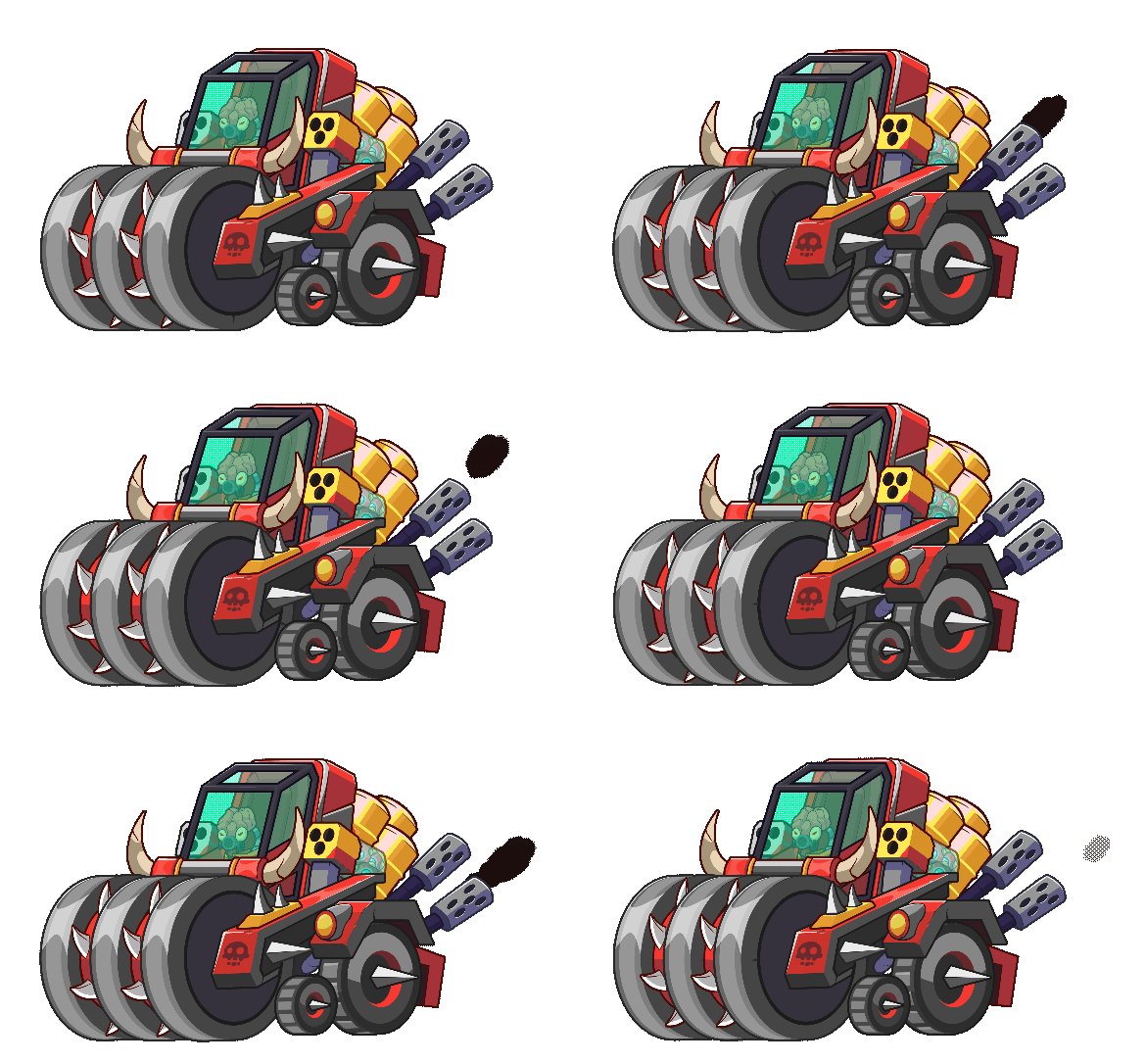
Vehicles with articulation points designed for animation constraints. Machinery with panel gaps that exist in the mesh, not faked in the texture.
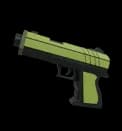
Weapons with first-person and third-person LODs, correct pivot placement for weapon systems, and the surface detail density that bakes correctly at the resolution the brief specifies.

The supporting cast of a game world: furniture, debris, interactive objects, collectibles. Consistent scale relative to the player. Named to the project convention.

Stylized 3D game modeling to the visual language and art direction. Stylized is no less demanding than realistic. It has different and equally specific requirements.

Semi-realistic and photorealistic models for games where the visual fidelity is the bar the player holds everything else to.

Low-poly game asset modeling for mobile and performance-constrained platforms where every polygon is a budget decision, not an aesthetic one.

High-poly sculpting in ZBrush for the surface information that bakes to normal maps. The sculpt is the information source. The production mesh is what runs in the engine.

Retopology of existing sculpts or legacy assets that are not production-ready. Edge loop correction, joint placement optimization, and polycount reduction without visible quality loss.

PBR texture sets in Substance Painter. Albedo, roughness, metallic, normal, and emissive. Delivered at the resolution the engine budget supports, tested in the target renderer.

Send the brief, the engine target, the polycount budget, and the timeline. We scope the production and come back with a specific plan. Tell us how your current pipeline works. We build the integration approach around it rather than asking you to change yours. Stop paying twice for assets that need fixing after delivery. Brief us correctly from the start.


Mobile 3D game assets within draw call limits, compressed texture formats, and the polygon budgets that mid-range Android hardware actually runs.

Higher polygon density, complex material layering, and the asset quality that rewards the player running at 1440p on a dedicated GPU.

Console-certified assets within PS5 and Xbox Series X memory constraints. Certification requirements documented in the delivery package.

VR models within the frame budget, and stereoscopic rendering demands. AR models scaled and lit for real-world overlay accuracy.

Virtual world and metaverse asset modeling to the polygon, texture, and file size constraints each platform enforces specifically.
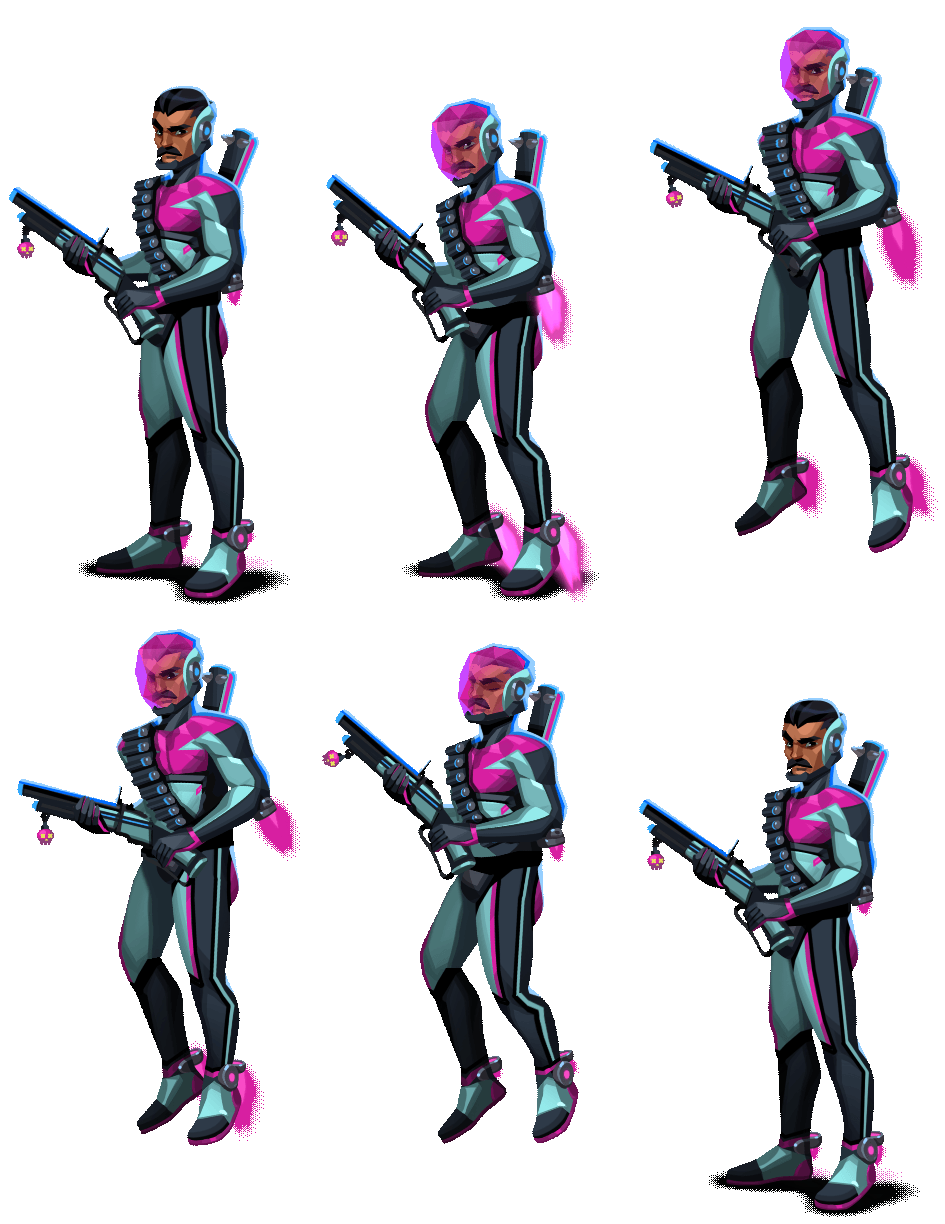
Every workflow decision is made in relation to the engine target and the pipeline it integrates with. Art that does not pass the import test has not been delivered yet.
Our team has shipped 3D game assets in games. They have fixed the consequences of bad topology decisions and they do not make those decisions.
Unity and Unreal Engine integration is tested before delivery. Asset specifications, import settings, and shader compatibility confirmed at the pipeline discussion stage.
One project coordinator from the brief to the delivery. Every milestone is dated. Every feedback loop is structured rather than open-ended.
Sprint-heavy production phases get more capacity. Lighter phases do not carry overhead. The team scales to the production schedule.
We commit to dates rather than estimates. A sprint that cannot accommodate a fixed delivery date is not a production-ready engagement.
Real-time performance is built into the asset specification. LOD chains, draw call management, and polycount discipline are production decisions, not optimization afterthoughts.
The same technical standards apply to asset number one and asset number 300. A style guide and technical spec that every team member works from maintains consistency across volume production.
Assets that arrive game-ready eliminate the integration rework that most outsourcing relationships build into the schedule as a hidden cost.
A shared art direction document and a dedicated art director maintain visual consistency across assets produced by a team of any size.
Modular asset systems and reusable material libraries reduce the per-asset cost of subsequent content updates.
Art that fits the world rather than being placed into it creates the environmental coherence that makes a player feel like they are somewhere specific.
Platform-specific asset specifications mean the game performs on the hardware range that the player base actually uses.
Visual quality within the game's genre and platform signals production investment. Players notice when the art quality matches the gameplay quality.
Platform, engine, polycount budget, texture budget, and naming convention are established in writing before modeling begins.
Reference collection and style frame development. The visual target is approved before production assets are committed.
The primary form is established and reviewed before surface detail is added. Changes at blockout cost nothing. Changes after texturing are expensive.
High-poly sculpt followed by retopology to the production mesh. Surface detail baked correctly from the high-poly source.
UV unwrapping with appropriate texel density. Normal, occlusion, and curvature maps baked from the high-poly to the production mesh.
PBR texture authoring in Substance Painter. Materials are tested in the target engine renderer before delivery.
Asset imported into the target engine. LODs tested. Draw call reviewed. Shader assigned. Nothing leaves without passing the engine.
Final files in every format specified at kickoff. Integration documentation included. Post-delivery support available.


Visual direction and quality standards across all 3D production.
Specialists in human, creature, and stylized character modeling.
Modular and bespoke environment asset production.
Weapons, vehicles, architecture, and industrial asset production.
PBR texture authoring and shader development.
Pipeline integration, LOD generation, and engine testing.
Our Technology Expertise in 3D Character Modeling.

Nanite, Lumen, and material editor. Asset integration and performance validation in Unreal.

HDRP and URP material pipelines. Prefab assembly and LOD group setup in Unity.

Open pipeline modeling, UV unwrapping, and render production in Blender.

Production modeling, rigging-ready mesh preparation, and animation-targeted topology.

High-poly organic and hard surface sculpting. Decimation and bake-source management.

PBR texture authoring, smart materials, and bake pipeline production.

Procedural asset generation, destruction simulation, and VFX asset production.

Architectural and hard surface modeling. Asset preparation for legacy and custom engine pipelines.
Cobweb was the first 3D game modeling company that asked about our polycount budget before they asked what the character should look like. The assets were integrated into Unreal without a single import warning. We had never had that from an outsourced asset delivery. Not once.
We needed 150 environment assets in five weeks for a vertical slice. Cobweb delivered 148 in week four. Every asset was within budget. Every UV was clean. The art director had nothing to flag. For that volume from an external team, that is not expected. It is what a studio that actually understands production pipelines delivers.
We had been burned by two previous 3D game modeling outsourcing relationships. Wrong pivot points, missing LODs, texture coordinates that looked fine in the DCC tool and shattered in the engine. Cobweb sent us a technical specification sheet before they sent a quote. That was the sign we needed.
Game-ready means the model passes engine import without tech artist remediation: correct scale, clean normals, proper UV unwrapping with no unintended overlaps, polycount within the brief specification, and pivots in sensible locations. We test in the target engine before every delivery.
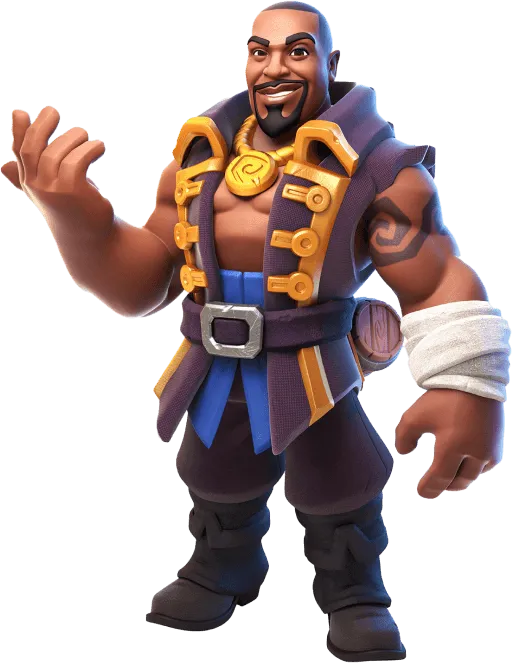
The visual quality target is established in the brief and the optimization constraints are established alongside it. Both are defined before modeling begins. Quality and optimization are not competing requirements. They are simultaneous specifications.
Yes. Modular asset kit design is a specific production discipline. We design kits for maximum visual variety from minimum asset count, with snapping tolerances defined for the level design tools the production uses.
Yes. We integrate into existing team pipelines rather than requiring studios to adapt their workflow to ours. Style guide alignment and naming convention matching are established in discovery before production begins.
A shared style guide, a named art director reviewing every stage, and a technical specification that applies uniformly across the full asset library. Consistency is a production discipline, not a quality control pass at the end.
Final mesh files in the formats specified at kickoff, PBR texture sets, LOD chain assets were scoped, integration documentation, and source files. All named to your convention.
Yes. Multi-platform asset production with platform-specific LODs and texture resolution tiers is a standard production option. The base model is built once. The platform variants derive from it.
Yes. Concept art is the preferred starting point. We also work from reference images, technical drawings, and written descriptions. The more specific the reference, the fewer revision cycles the accuracy review requires.
Two structured revision rounds per milestone are standard. Every revision note is documented and confirmed before changes are made. The scope of revisions is defined before production begins.
Architecture and real estate visualization, film and television VFX, product marketing, VR training, and metaverse platform development. The production standards are the same regardless of the destination.
Yes, after a technical audit of the existing asset library. We assess what exists, identify the specific issues, and scope the remediation before agreeing to the work.
Yes. Live game asset production on a retainer basis for studios managing ongoing content updates, seasonal events, and DLC production. Same team, same pipeline, same quality standard.