



Android
Full device range, tested on hardware, submitted through Google Play in scope.
Unity's pitch is "build once, deploy everywhere," and every studio that has actually tried it knows the honest version: build once, then spend three months discovering what "everywhere" really means. The engine is genuinely capable of shipping one codebase to ten platforms. What it cannot do is make the platform-specific decisions for you: the draw call budget that mobile demands, the certification hoops consoles enforce, the WebGL memory ceiling nobody warns you about. Cobweb Games is a Unity game development company that has already paid that tuition. You get the cross-platform promise without funding the learning curve. We provide full-cycle Unity game development services across 2D, 3D, mobile, PC, console, WebGL, and AR/VR, with multiplayer infrastructure, performance optimization, and LiveOps in scope. Full source code ownership transfers to you at final payment.
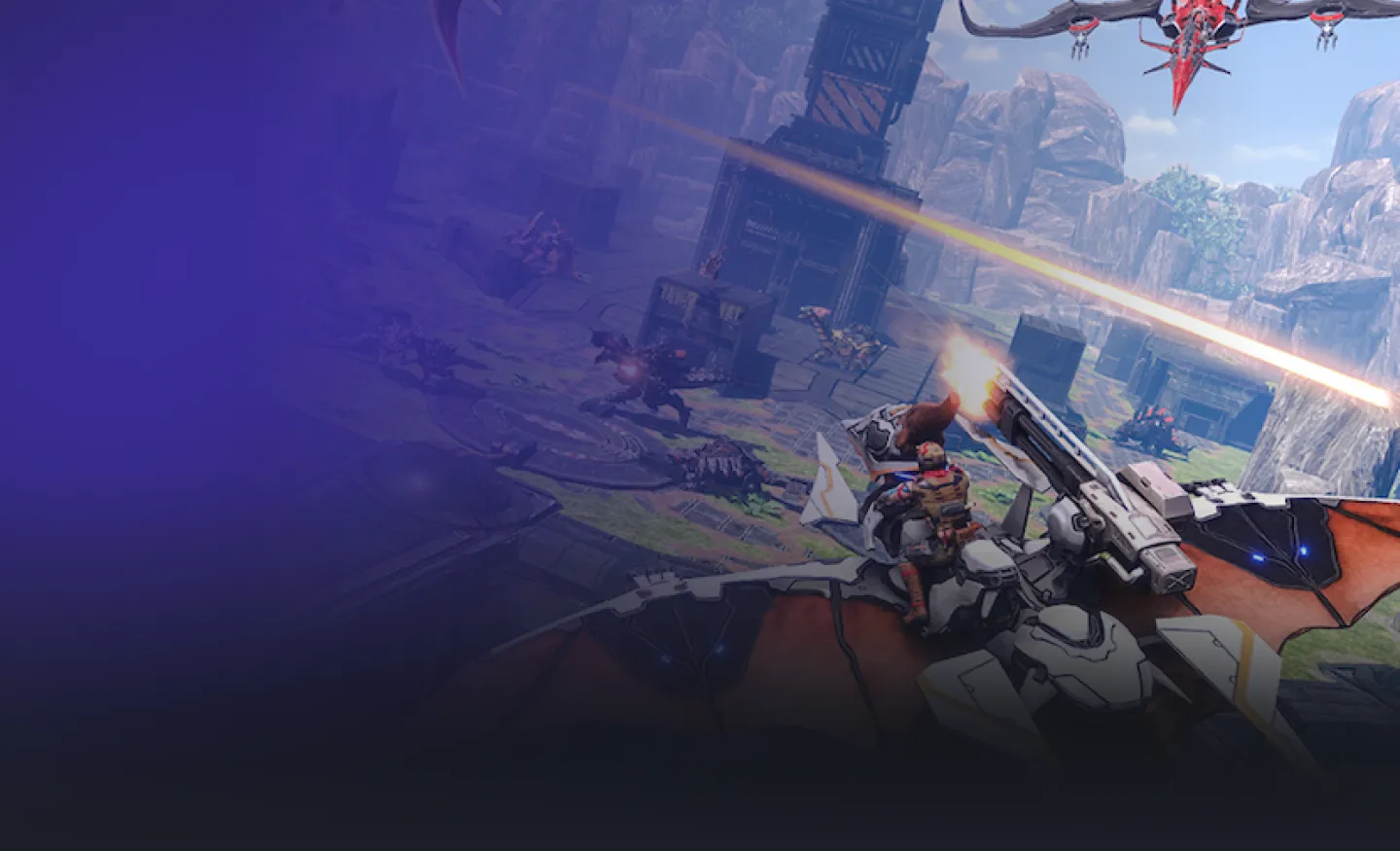

Unity development across every discipline a game production requires.

Original titles built from your concept with architecture decisions made for your platform targets from day one, not retrofitted at port time.

Concept, design documentation, prototype, production, QA, submission, and LiveOps. One team and one pipeline from idea to store listing.

2D titles built on Unity's sprite, tilemap, and 2D physics stack. 3D game development with URP or HDRP selected for the project, LOD chains built from the first mesh, and lighting that respects the frame budget.

One codebase, many platforms, with per-platform optimization passes so nothing feels like the export-button afterthought.

Photon Fusion, FishNet, or Mirror selected against your player counts and sync model. Networking architecture is a week-one decision here, permanently.

Meta Quest, ARKit, and ARCore development where the frame budget is sacred, because dropped frames in a headset are a health issue, not a performance note.
Functional, performance, and compatibility testing on real device labs plus platform certification prep before either store or any console sees a build.
Content updates, remote config, seasonal events, and the analytics loop that keeps a shipped Unity game earning.
Profiler-driven optimization of existing Unity projects: draw calls, GC allocation spikes, shader cost, and build size, fixed at the cause.
Senior Unity engineers embedded in your team, on your repo, in your standups, without the six-month hiring cycle.

Send the concept and target platforms. We will tell you what it takes and where the landmines are. Itemized estimate with milestone plan within 48 hours. One codebase. Every platform. Zero export-button optimism.


Full device range, tested on hardware, submitted through Google Play in scope.
iPhone and iPad with Metal rendering and App Store submission handled.
Steam, Epic, and standalone distribution with the full input matrix supported.
Native Apple Silicon builds, notarized and store-ready.
PS5 and PS4 development with first-party certification prep.
Series X/S and One builds through the certification gauntlet.
Switch development within the memory and performance envelope the hardware honestly offers.
Playable-in-browser builds with compression and streaming tuned for instant-ish load.
Quest 2/3/Pro and PC VR with the 72-90Hz floor treated as law.
Senior engineers with shipped titles across mobile, PC, and console.
Feel-focused systems programmers who tune until it plays right.
Shader, VFX, and pipeline specialists bridging art and performance.
Interface designers who build for the platform's actual input and screen.
Device-lab testers with reproduction steps a developer can act on.
Milestone owners and your single point of contact.
Our Technology Expertise in 3D Character Modeling.







Our Unity project had been through two agencies before Cobweb. Both delivered code that worked in the editor and collapsed on device. Cobweb's first act was profiling on target hardware, and their first sprint deliverable was a performance budget document. The game shipped on both stores at a stable 60fps on hardware three years older than anything the previous agencies tested on.

We hired two dedicated Unity developers from Cobweb to extend our internal team through a console port. They were in our repo and our standups within a week, and they knew the Switch memory envelope better than anyone in-house. Certification passed on the first attempt. We kept them for the next project.

Cobweb built our multiplayer title on Photon Fusion after walking us through exactly why our original Mirror plan would not survive our player counts. That conversation happened in week one, on a whiteboard, before any code existed. That is when I knew we picked the right company.
Game development using the Unity engine: a C#-based, cross-platform engine that ships to mobile, PC, console, web, and VR from a shared codebase. It powers more games than any other engine on earth.






 Design Rush
 Clutch