
PC Games
Higher poly budgets and complex material systems for monitor-class hardware.
A character model that looks right in the viewport and falls apart the moment it needs to animate is a solved problem in the wrong order. The topology decisions that determine correct deformation are not something you fix after the model is done. They are built into every edge loop placed around a shoulder, every ring of geometry around a knee, every decision about how the face mesh is structured for blend shape support. At Cobweb Games, our 3D character modeling services are built by artists who think about the animation rig before they start sculpting. Not after they have submitted the high-poly and moved on. We provide 3D character modeling for game developers, animation studios, VR experiences, and film productions. Stylized, realistic, creature, robot, and everything in between. The character arrives ready for the next pipeline stage, not requiring remediation before it gets there.
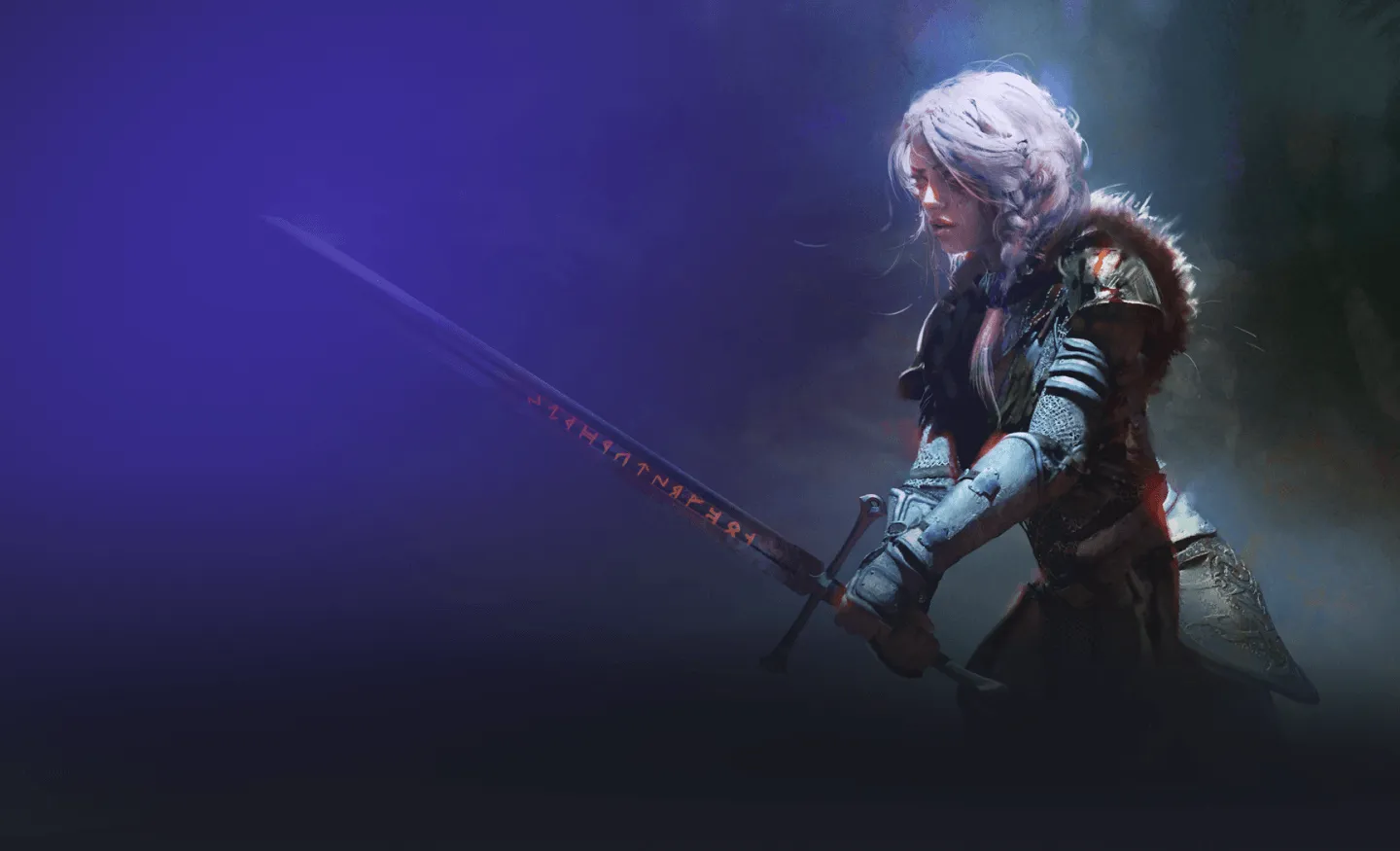
You are welcome to take advantage of our 3D character modeling services and enliven your product with fantastic creatures, functional robots, or realistic humans.

Stylized characters for mobile, PC, and indie game projects. Clean topology that deforms correctly. Surface detail appropriate for the style, not borrowed from a different visual register.

Surface detail, skin topology, and anatomical accuracy for AAA-quality pipelines. Facial topology structured for blend shape support. Edge loops at joint locations designed for deformation correctness.
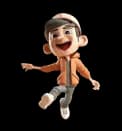
Exaggerated proportions and clean surface topology that cartoon rigs demand. Cartoon deformation is not simpler than realistic deformation. Incorrect edge loops are more visible, not less, when the proportions are pushed.
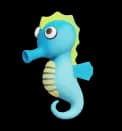
Creature design and modeling for monsters, animals, and the things without a taxonomy. Anatomy research where the creature has biological logic. Creative problem-solving where it does not. Rig-ready joint placement regardless of limb count.
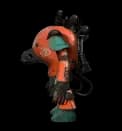
Mechanical character modeling with the clean geometry that hard surface robots require. Articulation points designed for animation constraints that prevent intersection mid-motion.

High-poly sculpting in ZBrush for the surface detail that bakes to normal and displacement maps. Pore detail. Fabric weave. Scar tissue. The information that makes a character read as a specific person.

Polygon budgets respected from the first modeling decision. Surface reads are maintained through smart silhouette design rather than relying on polygon density.

Correct scale, clean normals, proper UV unwrapping, poly count within spec. Game-ready is defined in the brief and confirmed in the delivery checklist, not assumed.

Retopology of existing high-poly sculpts. Edge loop correction, joint placement optimization. Turns a sculpt that looks correct into a mesh that deforms correctly.
UV unwrapping with efficient texel density and sensible seam placement. PBR texture maps in Substance Painter: albedo, roughness, metallic, normal, and emissive at the resolution the engine budget supports.

Most games that fail do not fail because the idea was bad. They fail because the production did not have the right team or the right partner. The idea is the starting point. The production is where it becomes a game.

Higher poly budgets and complex material systems for monitor-class hardware.
Console-certified characters within PS5 and Xbox Series X pipeline constraints.
Optimized characters within mobile GPU and texture memory constraints.

Characters within the frame budget VR requires. Frame drops in VR have consequences.

Characters that render correctly in AR lighting and scale correctly against real-world reference.

Film-quality character models for the camera distances and rendering pipelines for animation uses.
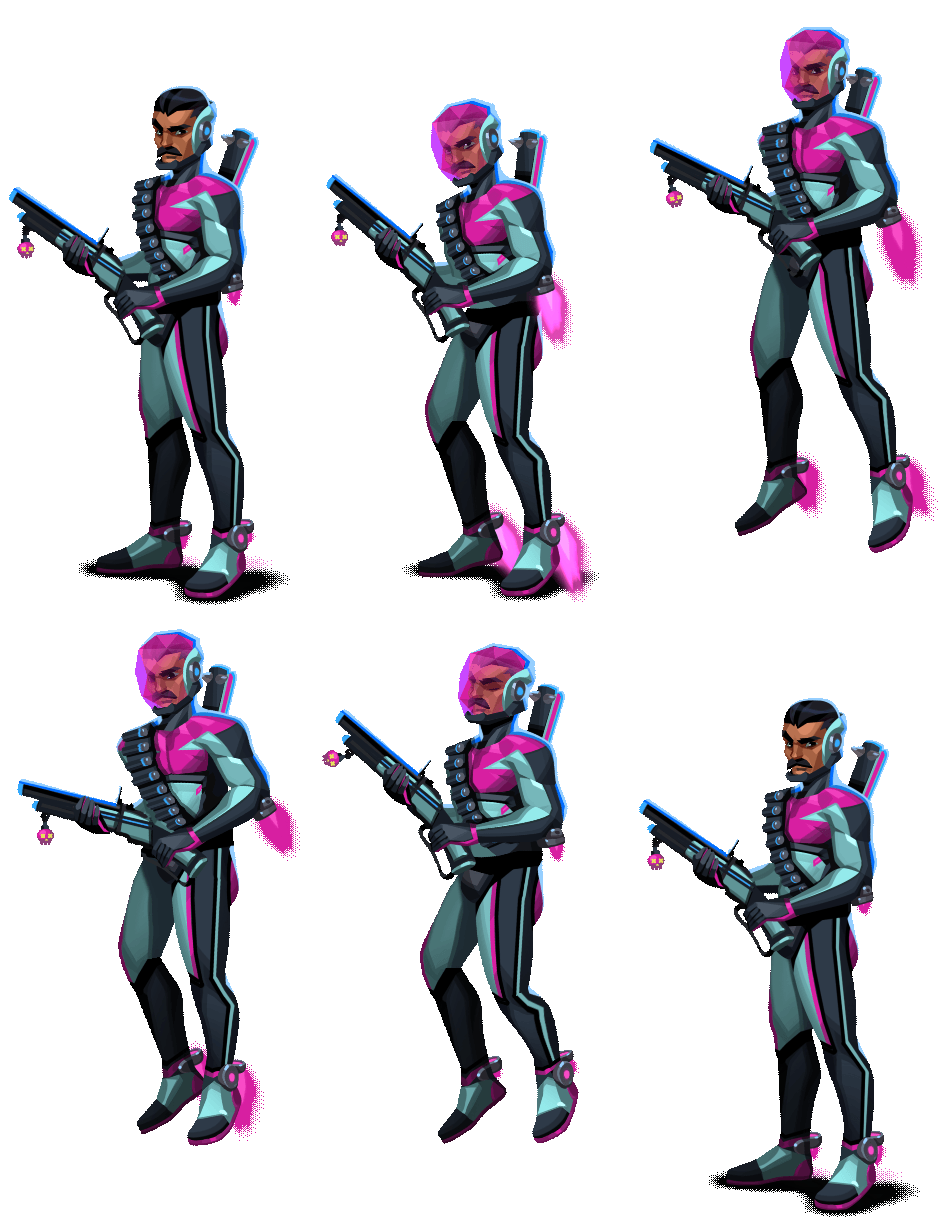
Modeling and rigging feasibility audit before sculpting. We flag design decisions that create downstream problems and propose solutions before the model exists.
High-poly sculpt in ZBrush: primary form, secondary surface detail, tertiary pore and fabric passes. Approved before retopology begins.
Production mesh over the approved high-poly. Edge loops at joint locations. Face topology for deformation or blend shapes. Poly count within the specified budget.
Appropriate texel density for the asset's role in the scene. Seam placement that is practical for painting and invisible in context.
PBR maps in Substance Painter. Bake maps generated from the high-poly. Material assignment confirmed against the engine's material system.
LOD generation, collision mesh, engine import test. The asset passes the engine before it leaves the studio.
Internal QA at each stage gate: concept, high-poly, retopology, UV, texture, and engine test. Problems caught inside our pipeline rather than yours.
Files in the formats the engine requires. Source files included. Named to your convention. Documentation for the rigging team on joint placement and blend shape targets.
Characters across every platform: mobile, PC, console, VR. Technical specs calibrated to the hardware constraints of each target.
High-poly character models for feature and episodic animation at the surface detail level that stand up to close camera distances.
VFX-ready character models for live-action integration. Real-world proportion and surface material calibrated for the rendering pipeline.
Characters built within the frame budget immersive platforms require. Dropping frames in VR is not a performance warning. It is a medical problem.
Avatar and virtual world character assets built to the technical specs of the platform, which are not identical to game engine requirements.
Brand character modeling for mascot creation and campaign animation. Characters that represent the brand and animate cleanly in the formats the campaign requires.
Our artists have shipped characters in games. They have fixed the downstream consequences of bad topology and built to avoid those decisions in the first place.
Projects with AAA targets are produced to AAA technical standards. Indie projects get right-sized specifications, not lower quality.
Characters are tested in the target engine before delivery. Unity and Unreal Engine compatibility is confirmed, not assumed.
The team scales to project volume. Sprint-heavy periods get more capacity. Planning phases do not carry production overhead.
Standard character delivery from approved concept: one to two weeks. Complex heroes: two to three weeks. Dates committed at kickoff, not estimated.
Production status on a defined cadence. Blockers communicated before they become delays. Feedback loops structured rather than open-ended.


A named character artist placed on your project on retainer. The same person who knows your characters, pipeline, and art direction works on your project consistently.
Defined scope, defined deliverables, defined cost. For studios with a specific asset list and a budget that does not move.
Additional character modeling capacity alongside your existing team for sprints that exceed internal bandwidth.
Concept through final engine-ready delivery. The brief goes in, and the game-ready characters come out.
Our Technology Expertise in 3D Character Modeling.


High-poly sculpting for character surface detail and creature anatomy.

Production modeling, rigging-ready mesh prep, animation-targeted topology.

Open pipeline modeling and rigging for Blender-native productions.

PBR texture authoring at production resolution.

Asset integration testing, material validation, and LOD review.

Import testing, shader compatibility, and prefab assembly.
Cobweb is the first studio where the animator looked at the delivered rig-ready mesh and did not have to fix the joint influence maps before starting work. The topology was correct upon delivery. That is the difference between a studio that sculpts characters and a studio that models game characters.
We needed creature characters for a mobile horror title with tight technical constraints. Cobweb asked technical questions in the brief that told us they understood both the design problem and the mobile pipeline problem. Delivered on time, within the poly budget. QA found nothing to report.
Simple casual mobile game: $25,000 to $80,000. Mid-tier mobile title with custom characters and IAP systems: $80,000 to $250,000. Feature-complete with multiplayer and AAA art: $500,000 plus. Scope drives the number.
Simple mobile game: three to six months. Mid-tier mobile or PC: eight to eighteen months. VR or significant IP development: twelve to thirty-six months. The timeline is determined by the scope and content volume.
A discovery session that converts the idea into a production brief: what the game is, who it is for, which platform it targets, and what the core loop is. From the brief comes a scope estimate and a milestone plan.
Mobile (iOS and Android), PC, VR (Oculus, HTC Vive, PS VR), browser, and web3 platforms. Platform selection is confirmed in discovery based on audience and scope.
Yes. Both under one roof. Studios can engage for art only, development only, or both. One point of contact and one pipeline regardless of scope.
Unity and Unreal Engine primarily. Godot for specific project types. We recommend the engine that fits the project, not the one we are most comfortable in.
Yes. Multiplayer architecture, online infrastructure, matchmaking, and live ops back-end. Networking architecture is a week-one design decision, not a week-twenty addition.
As involved as the project requires. Milestone-based reviews with documented feedback. Creative decisions that affect game direction require client sign-off. Technical decisions within the established brief we handle independently.
Game concept, target platform, core feature list, reference games, target audience, and timeline requirements. The more complete the brief, the more accurate the estimate.
Yes, after a technical audit of the existing codebase and art pipeline. We provide an honest assessment of what exists and what it takes to ship before agreeing to the scope.
Yes. Post-launch support, live ops content updates, bug fixes, and platform recertification are available as a continuing engagement. Structure it before launch, not after.
Ask to see shipped games, not work in progress. Ask how they handle scope changes. Ask who your project manager will be and whether they have experience in your category. A studio that answers these specifically is ready to produce your game.
The discovery session answers this. If the concept is not feasible at the stated budget, we say so and propose what is achievable. A project that fails mid-production because feasibility was assumed is expensive for everyone.
NDAs are signed before any project information is shared. Full IP ownership of all assets and code produced transfers to the client on final payment. We retain no rights to reference or use client work.
The launch is the start of the live phase. Player feedback arrives, platform requirements change, and content updates retain the audience. We offer structured post-launch support and ongoing development retainers.