



PC Game
Steam, Epic Games Store, and proprietary distribution. Scalable graphics settings for the hardware range that PC players actually run.
Want players to be hooked? We'll design an interface that's as immersive as the game, keeping them playing for hours.
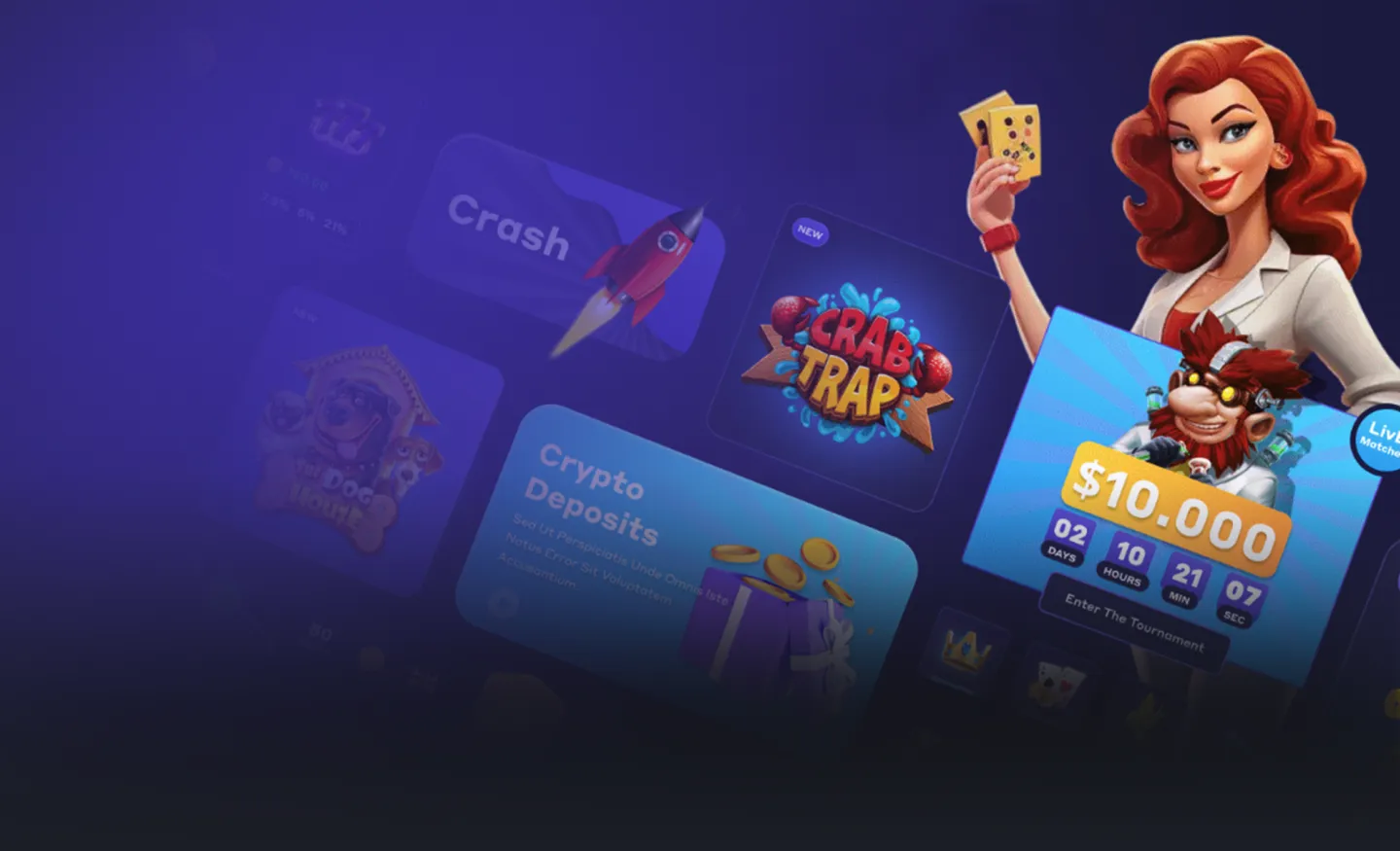
Whatever style you want your game to be in and whatever requirements you set before us, we can pull it off with excellent results.

We design and create simple plans and detailed models to visualize and plan future interfaces. Ensuring every element serves a purpose and meets specific goals.

We design intuitive interfaces that are both visually appealing and easy to use. We implement the latest methods and tools to enhance user experience.

We craft layouts, controls, and interactions tailored for mobile gaming, optimizing for touch-based usability and seamless navigation on smaller screens.
We design immersive interfaces for gaming apps across platforms, focusing on user engagement and fluid interactions from login to in-app functionalities.

We provide expert guidance to align design strategies with brand goals. Offering tailored solutions to optimize user satisfaction and business objectives.

After your game has launched, we provide ongoing assistance with keeping it running smoothly, including updates, bug fixes, and performance enhancements to guarantee an engaging gaming experience for players.

Most games that fail do not fail because the idea was bad. They fail because the production did not have the right team or the right partner. The idea is the starting point. The production is where it becomes a game.

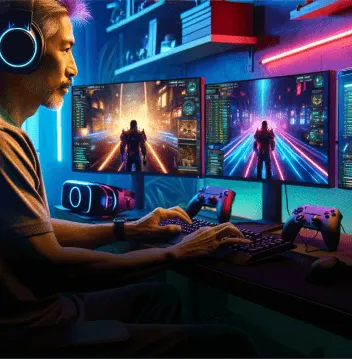
Steam, Epic Games Store, and proprietary distribution. Scalable graphics settings for the hardware range that PC players actually run.
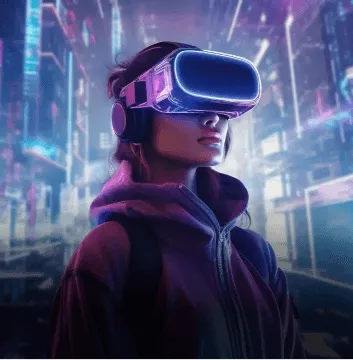
Oculus Quest, HTC Vive, Valve Index, and PS VR. The frame budget is sacred.
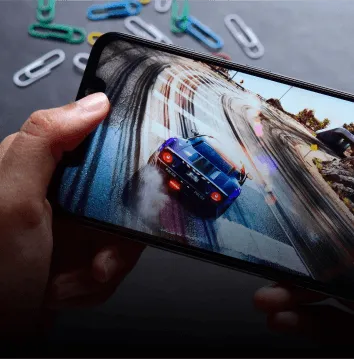
iOS and Android. Performance-calibrated for the mid-range device the median player actually owns.



Cobweb was the first studio that asked about our pipeline before they asked about the brief. Every asset they delivered integrated cleanly on the first import. That had not happened before on an outsourced production.

The environment art they delivered had zero performance issues in the build, and the visual quality matched the concept art exactly. No notes from the art director on the first submission. For an external team working from a reference they had not produced, that is not the typical outcome.
From early prototyping through worldwide launch, Cobweb Game drove our indie game from idea to finished product. Their development expertise and detailed feedback helped refine our game design at every stage. Moreover, their professional project management and programming allowed us to realize our vision on an expedited timeline and budget. We could not be happier with the development services or the successful final product.

Cobweb Games has been an absolute pleasure to work with! Their creativity and attention to detail are unmatched. The team was highly responsive to our feedback and delivered a game that exceeded our expectations. We can't wait to collaborate on our next project.
Simple casual mobile game: $25,000 to $80,000. Mid-tier mobile title with custom characters and IAP systems: $80,000 to $250,000. Feature-complete with multiplayer and AAA art: $500,000 plus. Scope drives the number.




 Design Rush
 Clutch