



PC
The primary platform for co-op horror.
Picture four players in a dark building with a shared objective and something in the walls that hunts whoever strays from the group. Co-op horror game development is the work of making that session hold together: the threat has to be readable, the objectives have to force cooperation, and the network has to keep every player seeing the same nightmare at the same moment. Cobweb Games scopes one complete multiplayer session as your first milestone: one environment, one objective, a representative threat, and a full win or loss flow, tested with players on separate machines. You see the experience working before you fund the rest.
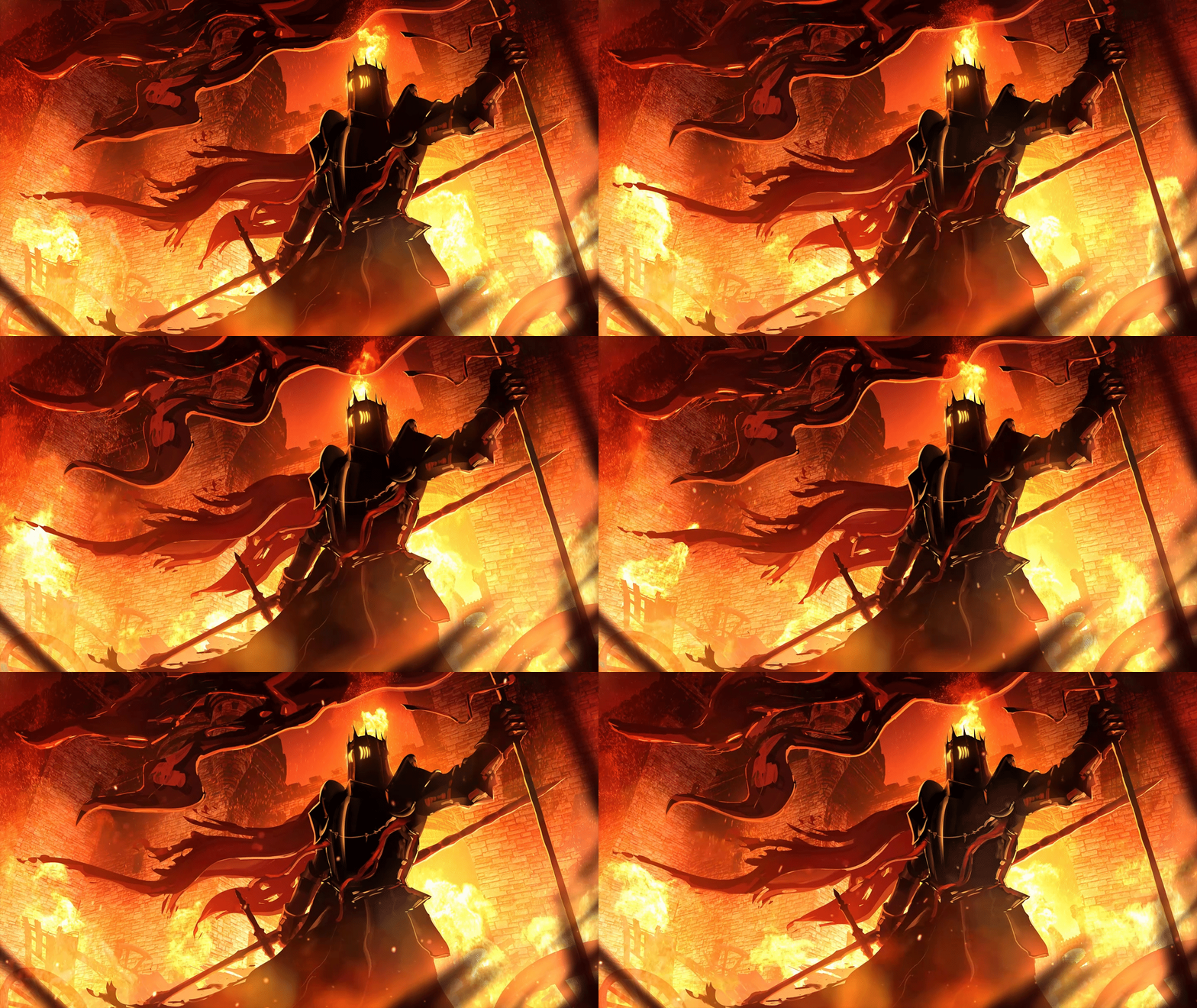
A slice is one complete session: one environment, one objective, a representative threat, and a win and loss flow. We agree on the player count and hosting assumptions upfront and mark which assets are temporary and which are production quality.

Player roles, cooperative objectives, and session outcomes. The best co-op horror makes splitting up necessary and dangerous at the same time.

Joining, shared objects, synchronized state, and what happens when two players grab the same item. Multiplayer added late is how horror budgets die.

Detection, pursuit, readable cues, and consequences. Players should fear the threat because they understand it.

Sightlines, routes, lighting, and audio built around objectives. Our environment design team builds spaces that play as well as they scare.

Variation across sessions and the testing it demands. Every random element multiplies the QA plan.

Latency, disconnections, player counts, and recovery cases tested before anyone outside the team plays. Game testing runs multi-client sessions as standard.
One complete session that proves the experience. A full live game is a separate, larger scope, planned only after the slice holds together.

What should players do together? Tell us the intended player count, platform, current stage, and the first complete session you want built.

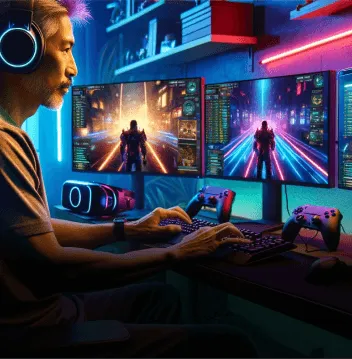
The primary platform for co-op horror.

Unity game development or Unreal Engine game development, chosen by the project, the team, and any existing codebase.

Separate decisions with their own operating costs, discussed before development starts. Console, VR, and mobile versions are assessed separately.
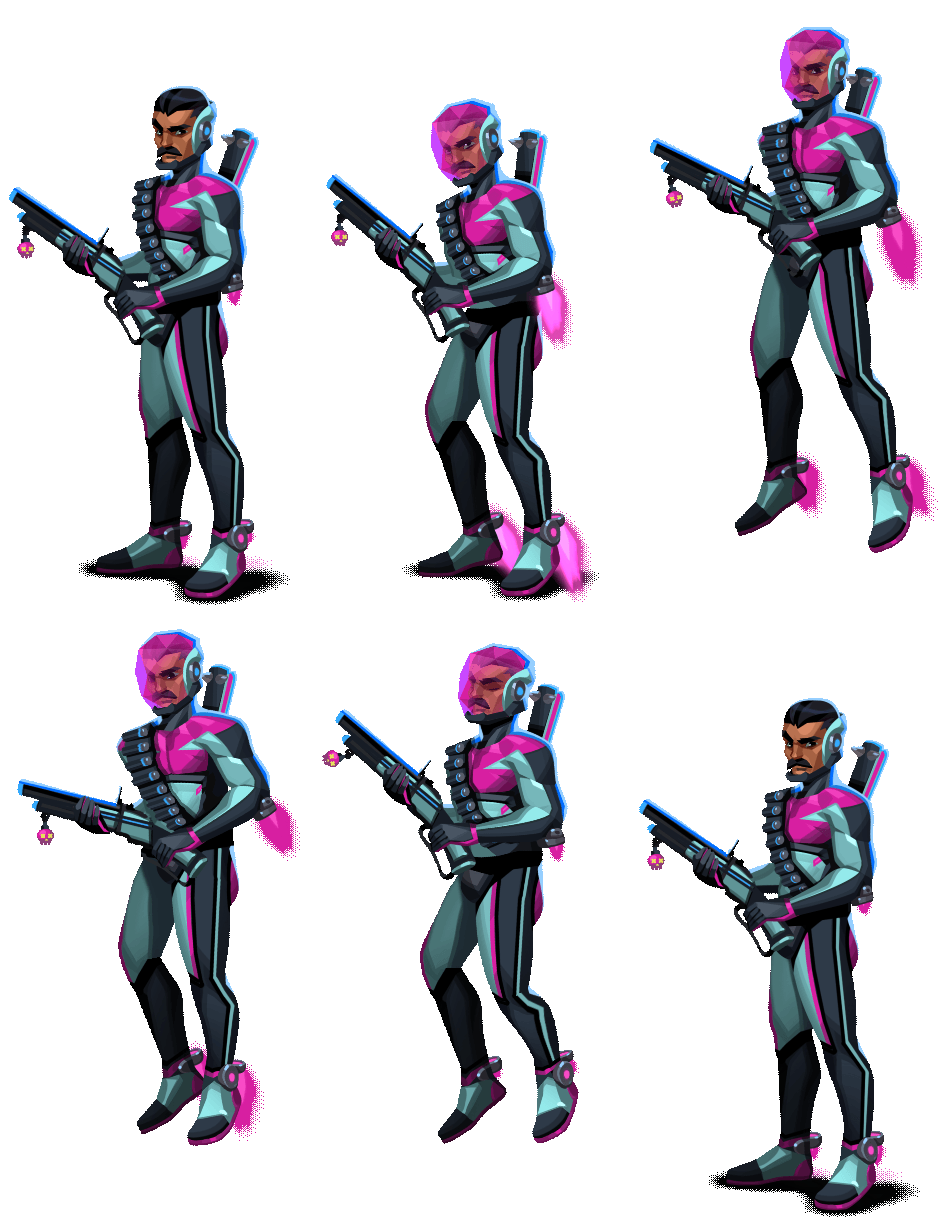
Owns roles, objectives, and session flow.
Builds networking, synchronization, and recovery.
Builds threat behavior and encounters.
Creates the spaces and the movement that sells the fear. Game animation handles threat and character motion.
QA runs multiplayer sessions, and audio ownership is assigned in the project plan.




Cobweb was the first studio that asked about our pipeline before they asked about the brief. Every asset they delivered integrated cleanly on the first import. That had not happened before on an outsourced production.

The environment art they delivered had zero performance issues in the build, and the visual quality matched the concept art exactly. No notes from the art director on the first submission. For an external team working from a reference they had not produced, that is not the typical outcome.
From early prototyping through worldwide launch, Cobweb Game drove our indie game from idea to finished product. Their development expertise and detailed feedback helped refine our game design at every stage. Moreover, their professional project management and programming allowed us to realize our vision on an expedited timeline and budget. We could not be happier with the development services or the successful final product.

Cobweb Games has been an absolute pleasure to work with! Their creativity and attention to detail are unmatched. The team was highly responsive to our feedback and delivered a game that exceeded our expectations. We can't wait to collaborate on our next project.
Player count shapes the architecture, balance, interface, and testing plan. We set it during scoping based on your design.






 Design Rush

 Clutch
